The Rise of Slow Living and Its Benefits: A Guide to a More Balanced Lifestyle
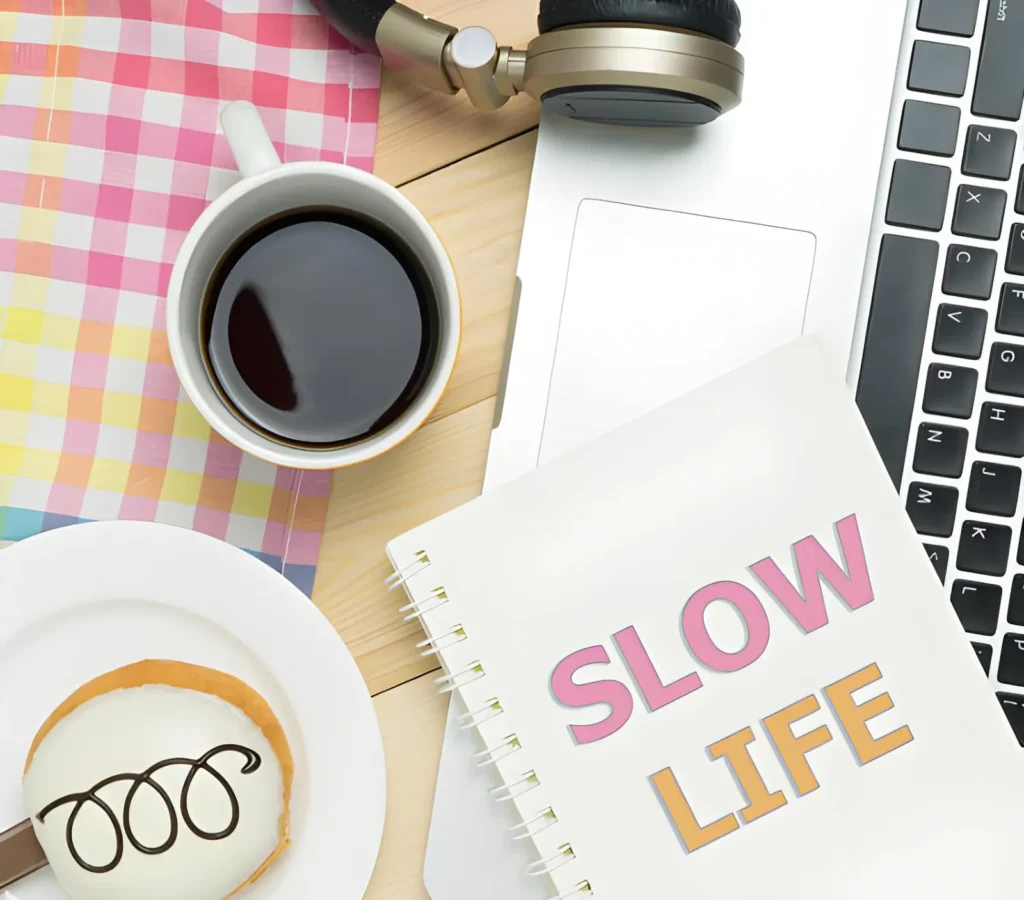
In today’s fast-paced world, people often feel pressured to work harder, achieve more, and stay constantly connected. Busy schedules, endless notifications, and growing responsibilities can make everyday life overwhelming. As a result, many individuals are embracing slow living, a lifestyle that encourages mindfulness, simplicity, and intentional choices.
The rise of slow living reflects a growing interest in finding balance between personal responsibilities, professional commitments, and emotional well-being. Instead of rushing through daily activities, slow living encourages people to appreciate meaningful experiences and focus on what truly matters.
From improving mental health to strengthening relationships, the benefits of slow living can influence different aspects of everyday life. Understanding this lifestyle can help individuals develop healthier habits and create a more peaceful environment.
What Is Slow Living?
Slow living is a lifestyle philosophy that emphasizes living intentionally rather than constantly rushing to complete tasks. It encourages people to prioritize quality over quantity and make thoughtful decisions about how they spend their time.
The concept is closely connected to the Slow Food movement, which began in Italy during the 1980s. Originally focused on traditional food preparation and mindful eating, the philosophy gradually expanded into other areas of life.
Today, slow living includes mindful consumption, sustainable habits, balanced work schedules, and meaningful social connections.
Importantly, slow living does not mean avoiding responsibilities or becoming less productive. Instead, it involves managing time effectively while reducing unnecessary stress and distractions.
Why Is Slow Living Becoming Popular?
The growing popularity of slow living is influenced by several changes in modern society. Digital technology, demanding careers, and constant social comparison have created environments where people often struggle to disconnect.
Many individuals are beginning to question whether a constantly busy lifestyle leads to genuine happiness.
Increasing Awareness of Mental Health
Mental health awareness has encouraged people to examine how daily routines affect emotional well-being. Constant pressure and insufficient rest can contribute to stress, exhaustion, and burnout.
Slow living promotes healthier boundaries, relaxation, and greater attention to personal needs.
Digital Overload and Social Media Fatigue
Smartphones and social media platforms make communication convenient, but they can also create constant distractions.
People interested in slow living often practice digital minimalism, reducing unnecessary screen time and spending more time on meaningful offline activities.
Growing Interest in Sustainable Living
Environmental awareness has also contributed to the popularity of slower lifestyles.
Rather than purchasing unnecessary products, individuals may choose durable items, reduce waste, and support environmentally responsible businesses.
These decisions connect personal well-being with sustainable consumption.
Major Benefits of Slow Living
Adopting a slower lifestyle can offer several advantages for physical health, emotional balance, and personal relationships.
1. Reduces Stress and Mental Exhaustion
One of the most recognized benefits of slow living is its potential to reduce everyday stress.
Constant multitasking and unrealistic schedules can leave people mentally exhausted. Slowing down allows individuals to organize responsibilities and create opportunities for relaxation.
Activities such as meditation, reading, gardening, and spending time outdoors can support emotional recovery.
By focusing on manageable priorities, people may experience greater calm and improved concentration.
2. Improves Mental Clarity and Focus
Modern lifestyles often involve switching between several tasks throughout the day. Frequent interruptions can make it difficult to concentrate.
Slow living encourages completing activities with greater attention instead of constantly multitasking.
For example, someone might dedicate uninterrupted time to reading, studying, or completing professional assignments.
This approach can improve focus, reduce distractions, and support more thoughtful decision-making.
3. Encourages Better Physical Health
A slower lifestyle can create more opportunities to maintain healthy routines.
Instead of skipping meals or sacrificing sleep because of demanding schedules, individuals can prioritize nutritious food, regular exercise, and adequate rest.
Mindful eating also encourages people to pay attention to hunger, fullness, and food choices.
Although slow living cannot prevent every health problem, it can support habits associated with better long-term well-being.
4. Strengthens Personal Relationships
Meaningful relationships require attention, communication, and shared experiences.
Busy schedules sometimes limit opportunities to connect with family members and friends. Slow living encourages people to dedicate quality time to loved ones.
Simple activities such as sharing meals, walking together, or having uninterrupted conversations can strengthen emotional connections.
Being fully present during interactions can also improve understanding and communication.
5. Supports Financial Wellness
Slow living often promotes mindful spending and responsible financial decisions.
Instead of purchasing products impulsively, individuals are encouraged to consider whether an item provides genuine value.
This approach can reduce unnecessary expenses and support long-term savings goals.
Buying fewer, higher-quality products may also reduce replacement costs, although the initial purchase price can sometimes be higher.
Developing thoughtful spending habits can contribute to greater financial stability.
6. Promotes Environmental Sustainability
Sustainable living and slow living share several important principles.
Both encourage reducing waste, conserving resources, and making responsible consumption choices.
Individuals may adopt habits such as repairing household items, purchasing secondhand clothing, and avoiding unnecessary packaging.
These small actions can reduce environmental impact while encouraging a more intentional lifestyle.
How to Practice Slow Living in Everyday Life
Transitioning toward slow living does not require dramatic lifestyle changes. Small, consistent adjustments can make daily routines feel more manageable.
Create a Mindful Morning Routine
Beginning the day without immediately checking notifications can encourage a calmer mindset.
Consider spending a few minutes stretching, preparing breakfast, or enjoying a quiet moment before starting work.
A predictable morning routine can help establish a positive atmosphere for the rest of the day.
Reduce Unnecessary Digital Distractions
Set reasonable boundaries for smartphone use and social media browsing.
Turning off nonessential notifications and creating screen-free periods can help improve attention.
For example, avoiding phones during family meals encourages more meaningful conversations.
Spend More Time in Nature
Outdoor activities provide opportunities to disconnect from demanding routines.
Walking in a park, gardening, or enjoying natural surroundings can support relaxation and physical activity.
Even short periods outdoors may help people feel refreshed.
Practice Mindful Consumption
Before purchasing something, consider its usefulness, durability, and necessity.
Avoiding impulsive shopping can simplify living spaces and reduce unnecessary spending.
A more organized environment may also make everyday responsibilities easier to manage.
Prioritize Rest and Personal Time
Rest should be considered an important part of a balanced lifestyle rather than a reward for completing every task.
Establishing healthy sleep habits and scheduling enjoyable activities can support physical and emotional well-being.
Learning to decline unnecessary commitments can also protect valuable personal time.
Slow Living vs. Fast Living: Key Differences
Understanding the differences between these approaches can help individuals identify habits they want to change.
| Slow Living | Fast Living |
| Focuses on meaningful priorities | Emphasizes completing more tasks |
| Encourages mindful consumption | May encourage frequent purchases |
| Values rest and balance | Often prioritizes constant activity |
| Promotes intentional relationships | Can limit personal interaction |
| Supports thoughtful decisions | May involve rushed decisions |
| Encourages sustainable habits | Often emphasizes convenience |
Neither approach describes every person’s experience. However, adopting selected slow living principles can help create a healthier balance.
Challenges of Adopting a Slow Living Lifestyle
Although slow living offers valuable benefits, adopting it can be challenging.
Professional responsibilities, financial pressures, and family commitments may limit how much individuals can change their schedules.
Some people may also feel uncomfortable slowing down because society frequently associates productivity with personal success.
The key is understanding that slow living does not require abandoning ambitions. It involves identifying unnecessary pressures and making realistic adjustments.
Even small changes, such as taking regular breaks or reducing digital distractions, can make a difference.
The Future of the Slow Living Movement
The slow living movement is likely to remain relevant as people continue exploring healthier ways to manage work, technology, and personal responsibilities.
Interest in mindful living, sustainable fashion, flexible working arrangements, and digital wellness reflects broader conversations about quality of life.
Businesses are also responding to consumer interest in durable products, wellness experiences, and environmentally conscious choices.
As awareness grows, slow living may increasingly influence how individuals approach productivity, relationships, and everyday consumption.
Conclusion
The rise of slow living and its benefits highlights a shift toward intentional choices, healthier routines, and meaningful experiences. Rather than measuring success through constant activity, this philosophy encourages individuals to appreciate time, relationships, and personal well-being.
From reducing stress and improving focus to supporting sustainability and financial wellness, slow living offers practical principles for modern life.
Adopting this lifestyle does not require major sacrifices. Small changes in daily habits can help create a more balanced, fulfilling, and peaceful way of living.
Also Read About: The Importance of Making Time for Yourself: A Guide to a Happier and Healthier Life

Welcome to Prayersgalaxys ! I’m Abdul Mannan Haider. Christian Faith Writer | 10+ Years Bible Study Experience | Founder of (prayersgalaxys.com)
Sharing prayers, Daliy Bible Verses and biblical wisdom to strengthen your faith.
Abdul Mannan Haider
Welcome to Prayersgalaxys ! I'm Abdul Mannan Haider. Christian Faith Writer | 10+ Years Bible Study Experience | Founder of (prayersgalaxys.com)
Sharing prayers, Daliy Bible Verses and biblical wisdom to strengthen your faith.