The Growing Importance of the Internet of Things: How IoT Is Transforming Our World
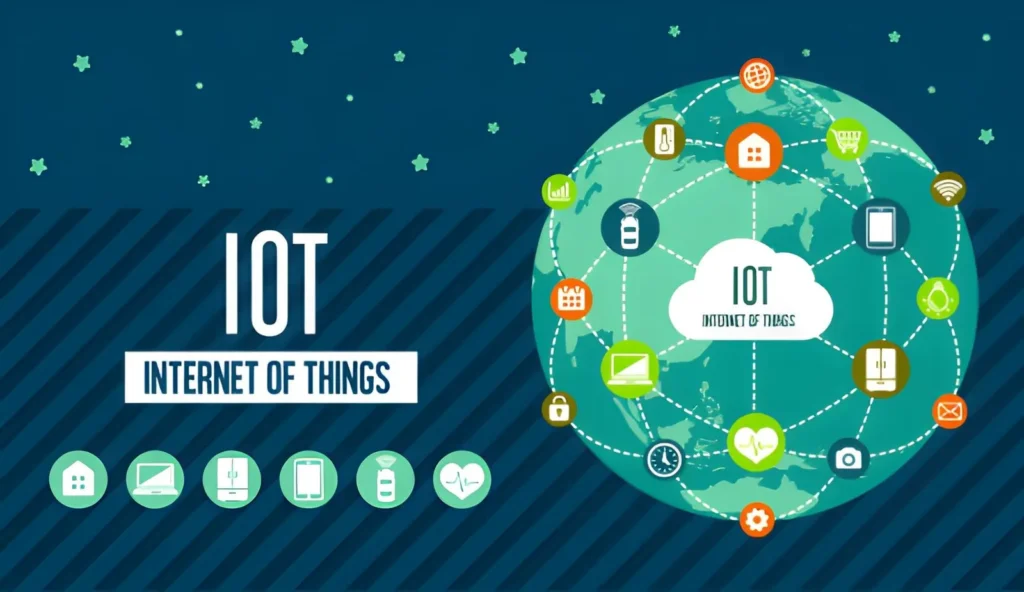
The Internet of Things (IoT) has become one of the most influential technologies in today’s digital world. From smart homes and connected cars to advanced healthcare systems and industrial automation, IoT is changing how people live, work, and communicate. As technology continues to evolve, the growing importance of the Internet of Things is becoming increasingly visible across industries.
IoT allows everyday devices to connect to the internet, collect information, and exchange data with other systems. This connectivity improves efficiency, reduces operational costs, and creates smarter solutions for common challenges. Businesses, governments, and individuals are adopting IoT technologies to improve productivity, convenience, and decision-making.
Understanding the benefits, applications, and future potential of IoT helps explain why this technology is becoming essential in modern society.
What Is the Internet of Things (IoT)?
The Internet of Things refers to a network of physical devices equipped with sensors, software, and connectivity technologies that allow them to collect and exchange information.
These devices include smartphones, smart appliances, security cameras, wearable fitness trackers, industrial machines, and connected vehicles. Through internet connectivity and automated communication, IoT devices can perform tasks with minimal human involvement.
For example, a smart thermostat can monitor indoor temperatures and automatically adjust heating or cooling settings. Similarly, wearable health devices can track heart rates, physical activity, and sleeping patterns.
The primary goal of IoT technology is to create a connected environment where devices communicate efficiently, improve convenience, and support intelligent decision-making.
Why Is the Internet of Things Becoming More Important?
The growing importance of IoT is closely connected to the increasing demand for automation, digital transformation, and real-time information.
Modern businesses require faster operations, accurate data, and efficient resource management. IoT provides solutions by connecting equipment, monitoring performance, and identifying potential problems before they become serious.
Additionally, advancements in cloud computing, artificial intelligence, wireless connectivity, and sensor technology have made IoT systems more practical and accessible.
Consumers also benefit from connected technologies that simplify everyday activities. As more devices become internet-enabled, IoT continues to influence homes, workplaces, transportation systems, and public infrastructure.
Major Applications of the Internet of Things
1. Smart Homes and Connected Living
Smart homes represent one of the most popular applications of IoT technology. Connected devices allow homeowners to control lighting, temperature, security systems, and household appliances remotely.
Smart speakers, automated lighting systems, video doorbells, and intelligent thermostats improve convenience and energy management.
For example, homeowners can use mobile applications to switch off unnecessary lights or monitor security cameras while traveling.
These technologies make residential environments more comfortable, efficient, and responsive to individual preferences.
2. Healthcare and Remote Patient Monitoring
The healthcare industry increasingly uses IoT to improve patient monitoring and medical services.
Connected medical devices can measure vital signs, monitor certain chronic conditions, and transmit information to healthcare professionals.
Wearable devices also encourage individuals to monitor daily activity, sleep quality, and general wellness.
Remote patient monitoring can help healthcare providers identify concerning changes and support timely medical decisions. However, these systems require reliable data protection, accurate devices, and appropriate clinical oversight.
IoT healthcare solutions are particularly valuable for patients who need regular monitoring outside traditional medical facilities.
3. Industrial Automation and Smart Manufacturing
Industrial IoT, commonly called IIoT, plays an important role in modern manufacturing.
Factories use connected sensors to monitor machinery, production processes, equipment temperatures, and operational performance.
These systems help businesses detect unusual conditions and schedule maintenance before equipment failures occur.
Predictive maintenance can reduce unexpected downtime, improve workplace efficiency, and extend equipment lifespan.
Manufacturers also use IoT data to improve product quality, manage resources, and optimize production schedules.
4. Smart Cities and Public Infrastructure
Cities are adopting IoT solutions to improve public services and infrastructure management.
Smart traffic systems can analyze vehicle movement and adjust traffic signals to reduce congestion. Connected streetlights can adjust brightness according to environmental conditions.
IoT-enabled waste management systems help authorities monitor collection needs and optimize transportation routes.
Smart water meters and environmental sensors also support better resource management.
These applications can help cities become more sustainable, efficient, and responsive to residents’ needs.
Benefits of the Internet of Things
The increasing adoption of IoT is driven by several important advantages.
Improved efficiency: Connected devices automate repetitive tasks and reduce unnecessary manual work.
Cost savings: IoT systems can identify energy waste, monitor equipment conditions, and improve resource utilization.
Real-time monitoring: Organizations can access current operational information and respond quickly to changing conditions.
Better decision-making: Information collected from connected devices helps businesses identify trends and make informed decisions.
Enhanced convenience: Consumers can remotely manage household devices, vehicles, and personal technology.
Improved safety: Connected sensors can detect smoke, unusual temperatures, equipment failures, and other potential hazards.
Together, these benefits make IoT valuable for both personal and professional applications.
The Role of Artificial Intelligence in IoT
Artificial intelligence is making IoT systems more intelligent and capable.
Traditional connected devices primarily collect and transmit information. When combined with AI, these systems can analyze patterns, recognize unusual activity, and support automated decisions.
For example, AI-powered industrial sensors can identify signs of machinery deterioration. Smart energy systems can analyze consumption patterns and recommend more efficient settings.
This combination is often called Artificial Intelligence of Things (AIoT).
As AI capabilities improve, connected devices are expected to become increasingly adaptive, efficient, and useful across different industries.
Challenges and Security Concerns of IoT
Despite its advantages, IoT technology presents several challenges.
Cybersecurity remains a major concern because connected devices can become targets for unauthorized access and cyberattacks.
Weak passwords, outdated software, and poorly secured networks may expose sensitive information.
Data privacy is another important issue because some IoT systems continuously collect information about users and their activities.
Compatibility problems between different manufacturers’ devices can also limit integration.
Organizations should prioritize strong authentication, software updates, encryption, and responsible data management to reduce these risks.
The Future of the Internet of Things
The future of IoT is closely connected to developments in 5G networks, edge computing, artificial intelligence, and advanced automation.
Faster connectivity and local data processing can help connected devices respond more quickly while reducing dependence on distant cloud servers.
Agriculture may benefit from intelligent irrigation systems, soil monitoring, and automated equipment. Transportation systems may use connected infrastructure to improve traffic management and vehicle safety.
Businesses are also expected to expand IoT adoption as they seek greater operational visibility and efficiency.
However, long-term success will depend on addressing cybersecurity risks, interoperability, affordability, and privacy concerns.
Conclusion
The growing importance of the Internet of Things reflects a broader shift toward connected, automated, and data-driven environments. From smart homes and healthcare to manufacturing and transportation, IoT is transforming how technology supports everyday activities.
Its ability to improve efficiency, reduce costs, support real-time monitoring, and enable smarter decisions makes it increasingly valuable across industries.
Although cybersecurity and privacy challenges remain, continued innovation is expanding the potential of connected technologies. As IoT becomes more accessible and reliable, it will play an increasingly important role in shaping the future of digital society.
Also Read About: The Role of Robotics in the Future of Manufacturing

Welcome to Prayersgalaxys ! I’m Abdul Mannan Haider. Christian Faith Writer | 10+ Years Bible Study Experience | Founder of (prayersgalaxys.com)
Sharing prayers, Daliy Bible Verses and biblical wisdom to strengthen your faith.
Abdul Mannan Haider
Welcome to Prayersgalaxys ! I'm Abdul Mannan Haider. Christian Faith Writer | 10+ Years Bible Study Experience | Founder of (prayersgalaxys.com)
Sharing prayers, Daliy Bible Verses and biblical wisdom to strengthen your faith.