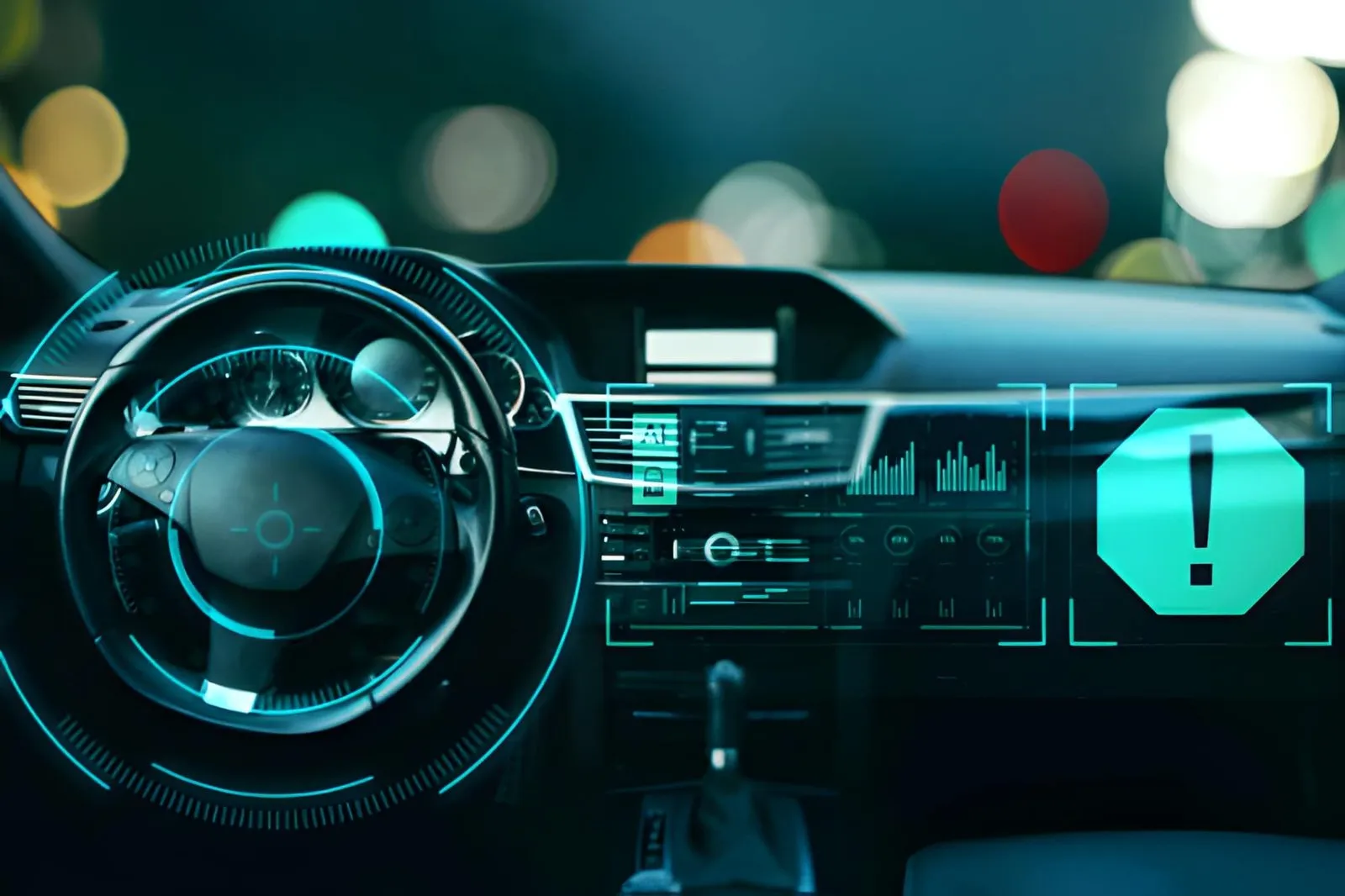
How to Maximize Electric Car Battery Life and Performance
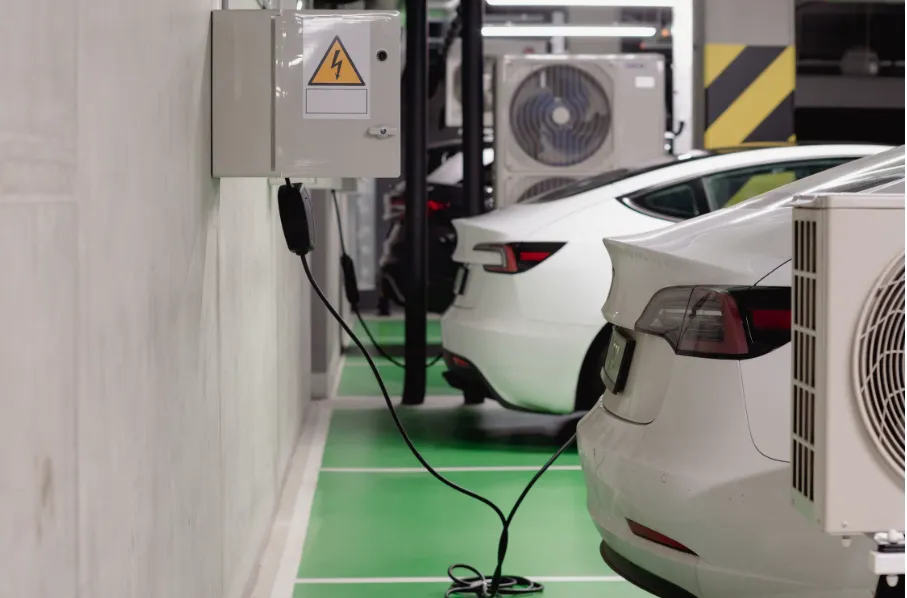
Electric vehicles (EVs) are becoming increasingly popular because of their energy efficiency, lower running costs, and environmentally friendly technology. However, the battery is one of the most expensive and important components of an electric car. Understanding how to maximize electric car battery life and performance can help owners reduce maintenance expenses, improve driving range, and enjoy reliable performance for years.
An electric car battery naturally loses some capacity over time. Fortunately, proper charging habits, temperature management, and responsible driving can slow battery degradation. Whether you own a Tesla, Nissan Leaf, Hyundai IONIQ, or another electric vehicle, following practical battery maintenance tips can make a significant difference.
1. Maintain an Optimal Battery Charge Level
One of the most effective ways to extend electric car battery lifespan is to maintain an appropriate charging level. Frequently keeping certain lithium-ion batteries fully charged or nearly empty can accelerate degradation.
For many electric vehicles, maintaining a battery charge between 20% and 80% during everyday driving is a useful guideline. However, the ideal charging range depends on battery chemistry and manufacturer recommendations.
For example, some vehicles equipped with lithium iron phosphate (LFP) batteries recommend periodic charging to 100% for accurate battery calibration.
Avoid leaving your electric car at extremely low or high charge levels for extended periods. When preparing for a long journey, charging to 100% is generally acceptable, especially if you begin driving soon afterward.
2. Avoid Excessive Fast Charging
DC fast charging provides convenience when traveling long distances. However, relying heavily on high-power charging can generate additional heat and increase battery stress under certain conditions.
For routine charging, Level 2 AC charging is often a practical option. It generally produces less battery heat and is suitable for overnight charging at home.
Fast charging remains useful for road trips and emergencies. Modern electric vehicles also have sophisticated battery management systems that regulate charging power to protect battery health.
To improve electric vehicle battery performance, use slower charging when convenient and reserve frequent rapid charging for situations where saving time is important.
3. Protect Your Battery From Extreme Temperatures
Temperature plays a major role in EV battery health and longevity. Extremely hot or cold conditions can affect charging efficiency, driving range, and long-term battery performance.
High temperatures may accelerate chemical reactions responsible for battery degradation. Cold temperatures temporarily reduce available energy and can slow charging.
During hot weather, park your electric car in shaded areas or covered parking spaces whenever possible. Avoid prolonged exposure to direct sunlight, particularly when the battery is highly charged.
In winter, use your vehicle’s battery preconditioning feature if available. Preconditioning warms the battery before driving or charging, helping improve efficiency.
Vehicles with active battery thermal management systems can automatically regulate battery temperature, providing additional protection against extreme conditions.
4. Practice Smooth and Efficient Driving
Your driving habits directly influence electric car battery efficiency and energy consumption. Aggressive acceleration, frequent hard braking, and consistently high speeds require more electricity.
Smooth acceleration allows the vehicle to use energy more efficiently. Maintaining a steady speed also reduces unnecessary power consumption.
Use regenerative braking whenever appropriate. This technology converts some of the vehicle’s kinetic energy into electricity during deceleration, returning energy to the battery.
Additionally, activate Eco driving mode when suitable. Eco mode may adjust acceleration response, climate control, and other settings to reduce electricity consumption.
Although efficient driving primarily improves range rather than directly preventing battery aging, it can reduce unnecessary charging cycles over time.
5. Use Smart Charging Features
Modern electric cars include intelligent charging technologies designed to improve convenience and battery management.
Scheduled charging allows drivers to select specific charging periods, particularly during off-peak electricity hours. This can reduce charging expenses while ensuring the vehicle is ready when needed.
Many electric vehicles also allow users to set a maximum charging percentage. Selecting an appropriate limit helps avoid unnecessary time spent at high battery charge levels.
Some models offer automatic battery preconditioning before fast charging, improving charging speed and thermal efficiency.
Using these features consistently is a simple way to support long-term electric vehicle battery health.
6. Keep Your Electric Vehicle Software Updated
Electric vehicles rely on advanced software to manage battery charging, temperature, energy distribution, and overall efficiency.
Manufacturers occasionally release software updates that improve battery management algorithms, charging behavior, and vehicle performance.
Installing recommended updates ensures your vehicle benefits from available improvements and important technical fixes.
Check your vehicle’s infotainment system or official manufacturer application regularly for software notifications.
However, software updates cannot restore battery capacity that has already been permanently lost through chemical aging.
7. Maintain Proper Tire Pressure
Tire maintenance is often overlooked when discussing how to improve electric car range.
Underinflated tires increase rolling resistance, forcing the electric motor to consume additional energy. This reduces the distance your vehicle can travel on a single charge.
Check tire pressure regularly and follow the manufacturer’s recommended specifications.
Proper wheel alignment and tire rotation also support efficient driving and even tire wear.
Choosing manufacturer-approved, energy-efficient tires can further improve range without compromising essential safety requirements.
8. Reduce Unnecessary Vehicle Weight
Carrying unnecessary weight increases the energy required to accelerate and move an electric vehicle.
Remove heavy items from the trunk when they are not needed. Roof racks and cargo boxes can also increase aerodynamic drag, particularly at highway speeds.
Removing unused external accessories can improve efficiency and extend driving range.
Although these adjustments may seem minor, they can make a noticeable difference during frequent or long-distance travel.
9. Store Your Electric Car Properly
If you plan to leave your electric vehicle unused for several weeks, proper storage can help protect its battery.
Avoid storing the vehicle with a completely depleted or fully charged battery unless the manufacturer specifically recommends otherwise.
Many manufacturers suggest maintaining a moderate charge level during extended storage, but the exact percentage varies by model.
Park in a cool, dry location whenever possible. Disable unnecessary features that consume electricity while the vehicle is parked.
For longer storage periods, follow the owner’s manual regarding charging connections, battery monitoring, and maintenance requirements.
10. Monitor Battery Health Regularly
Monitoring battery condition helps identify potential problems before they become expensive repairs.
Many electric vehicles display information about energy consumption, estimated range, and charging performance.
Some manufacturers also provide battery health assessments through diagnostic systems or authorized service centers.
Pay attention to unusual changes in charging speed, battery warnings, or significant reductions in usable range.
Remember that estimated driving range changes with weather, speed, terrain, and driving habits. A lower dashboard range estimate does not automatically indicate permanent battery degradation.
Regular maintenance and professional inspections can help keep your electric vehicle operating efficiently.
Conclusion
Learning how to maximize electric car battery life and performance is essential for getting the most value from an electric vehicle. Simple habits such as maintaining suitable charging levels, avoiding unnecessary heat exposure, driving efficiently, and monitoring battery condition can support long-term reliability.
While some battery degradation is unavoidable, modern electric vehicles are designed to deliver years of dependable service. Following manufacturer recommendations and adopting smart charging practices can help preserve battery capacity, improve everyday driving efficiency, and reduce long-term ownership costs.
By taking care of your EV battery today, you can enjoy better performance, greater driving confidence, and a more economical electric driving experience in the future.
SEO Meta Description: Discover how to maximize electric car battery life and performance with smart charging tips, efficient driving habits, and essential EV maintenance advice.
Also Read About: Healing Prayer Messages for Sick Friends: 9 Powerful Hope

Welcome to Prayersgalaxys ! I’m Abdul Mannan Haider. Christian Faith Writer | 10+ Years Bible Study Experience | Founder of (prayersgalaxys.com)
Sharing prayers, Daliy Bible Verses and biblical wisdom to strengthen your faith.
Abdul Mannan Haider
Welcome to Prayersgalaxys ! I'm Abdul Mannan Haider. Christian Faith Writer | 10+ Years Bible Study Experience | Founder of (prayersgalaxys.com)
Sharing prayers, Daliy Bible Verses and biblical wisdom to strengthen your faith.