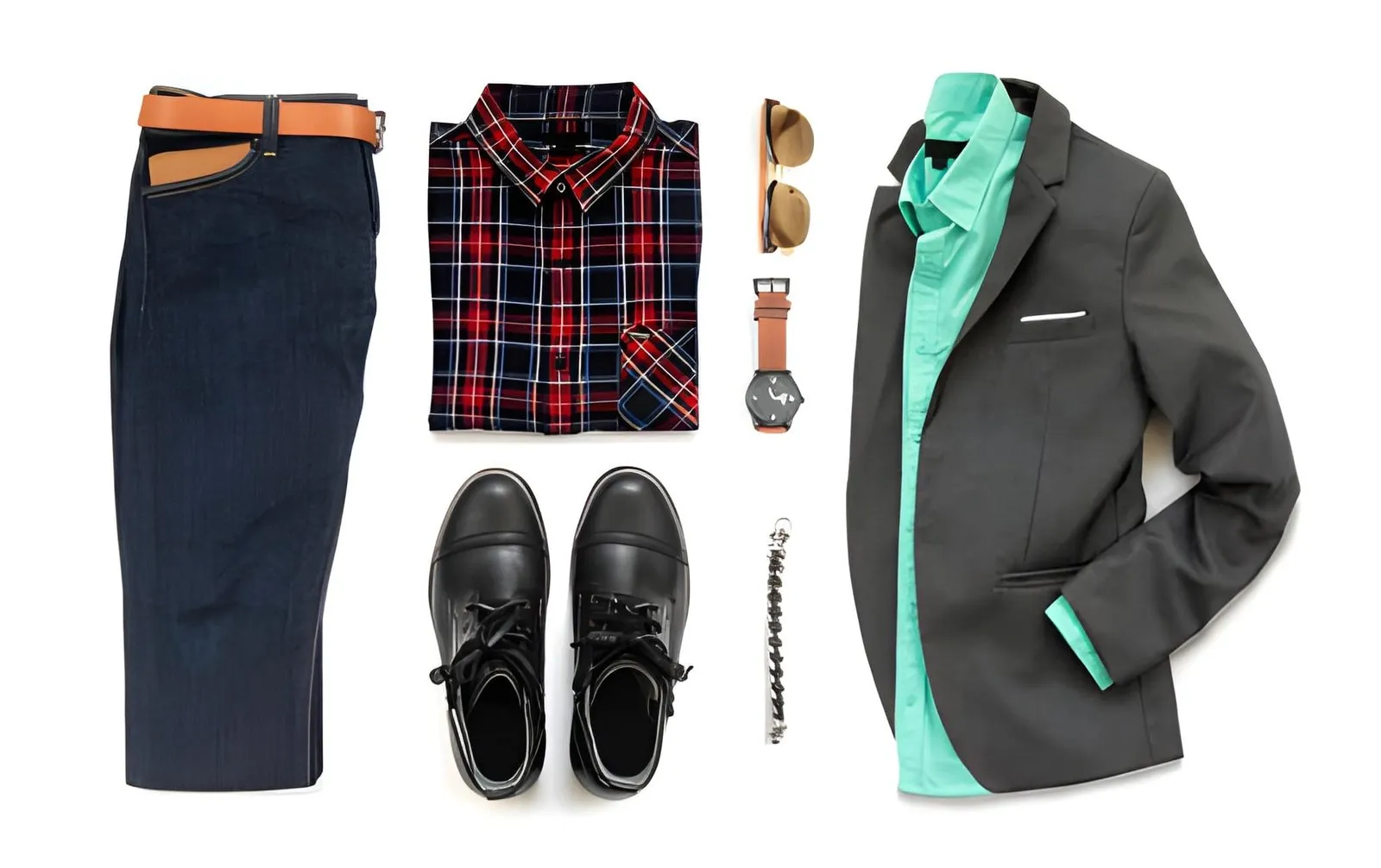
How Seasonal Changes Influence Clothing Choices: A Complete Guide to Dressing for Every Season

Seasonal changes significantly influence the way people dress, shop, and organize their wardrobes. From lightweight summer outfits to cozy winter jackets, clothing choices depend on weather conditions, temperature, personal comfort, and fashion trends. Understanding how seasonal changes influence clothing choices helps people maintain a stylish appearance while staying comfortable throughout the year.
Every season introduces different fashion requirements. Spring encourages colorful outfits and breathable fabrics, summer demands lightweight clothing, autumn brings layering opportunities, and winter requires warm, protective garments. Making the right clothing decisions can improve comfort, support personal style, and reduce unnecessary spending.
This article explores how seasonal weather affects fashion preferences, fabric selection, clothing trends, and wardrobe planning.
Understanding the Relationship Between Seasons and Fashion
Fashion and weather have always been closely connected. People naturally adjust their clothing according to temperature, humidity, rainfall, and environmental conditions.
During warmer months, individuals prefer breathable materials that allow air circulation. In colder weather, thicker fabrics and multiple clothing layers help retain body heat.
However, seasonal fashion choices are not influenced by weather alone. Cultural traditions, lifestyle preferences, workplace requirements, and emerging fashion trends also shape clothing decisions.
Fashion designers regularly introduce seasonal collections that reflect changing weather conditions and consumer preferences. These collections encourage people to experiment with different colors, textures, and clothing combinations.
Understanding seasonal clothing requirements makes it easier to create a practical wardrobe without sacrificing personal style.
Spring Fashion: Comfortable and Colorful Clothing
Spring represents a transition from cold winter weather to warmer temperatures. As flowers bloom and outdoor activities increase, clothing preferences gradually become lighter and more colorful.
Spring clothing trends often feature pastel shades, floral patterns, lightweight jackets, and comfortable casual outfits.
Popular spring clothing options include:
- Lightweight cardigans and denim jackets
- Cotton shirts and breathable blouses
- Floral dresses and comfortable skirts
- Casual jeans and lightweight trousers
- Sneakers and comfortable walking shoes
Layering remains important during spring because temperatures can change throughout the day. A cool morning may require a jacket, while warmer afternoons allow lighter clothing.
Cotton, linen blends, and lightweight knitwear are excellent choices for maintaining comfort during unpredictable spring weather.
Summer Fashion: Lightweight and Breathable Outfits
Summer brings higher temperatures, stronger sunlight, and increased humidity in many regions. These conditions significantly influence clothing choices because comfort and ventilation become essential.
Summer fashion focuses on lightweight fabrics, loose-fitting garments, and practical designs that help people manage hot weather.
Cotton and linen are popular summer fabrics because they provide breathability and help moisture evaporate. Loose-fitting clothing can also improve airflow around the body.
Common summer wardrobe essentials include:
- Cotton T-shirts and sleeveless tops
- Linen shirts and lightweight trousers
- Shorts and comfortable summer dresses
- Breathable athletic clothing
- Sandals and lightweight footwear
Light-colored clothing is often preferred because it generally absorbs less solar radiation than darker clothing under similar conditions.
Accessories such as wide-brimmed hats and sunglasses also become important during summer. Clothing with an appropriate ultraviolet protection factor can provide additional sun protection.
Choosing suitable summer outfits helps people remain comfortable during outdoor activities, travel, and everyday routines.
Autumn Fashion: Layering and Warm Earthy Colors
Autumn introduces cooler temperatures and changing weather patterns. This season creates opportunities to combine lightweight summer clothing with warmer garments.
Autumn clothing styles frequently include sweaters, jackets, scarves, boots, and comfortable trousers.
Earthy colors such as brown, olive green, mustard yellow, burgundy, and burnt orange become especially popular during this season.
Layering is one of the most practical autumn fashion strategies. For example, wearing a cotton shirt beneath a cardigan or jacket allows individuals to adjust their clothing as temperatures change.
Popular autumn wardrobe items include knitted sweaters, denim jackets, leather-style jackets, ankle boots, and long-sleeved shirts.
Fabrics such as denim, corduroy, wool blends, and medium-weight cotton provide additional warmth without requiring heavy winter clothing.
Autumn fashion successfully combines functionality, comfort, and seasonal style.
Winter Fashion: Warmth, Protection, and Comfort
Winter has a major influence on clothing decisions, particularly in regions experiencing freezing temperatures, strong winds, or snowfall.
The primary purpose of winter clothing is to retain body heat while protecting the body from cold environmental conditions.
Popular winter garments include insulated jackets, wool sweaters, thermal underwear, scarves, gloves, and winter boots.
Layering is especially effective during winter because different clothing layers perform specific functions.
The base layer helps manage moisture, the middle layer provides insulation, and the outer layer protects against wind, rain, or snow.
Materials such as wool, fleece, down, and synthetic insulation are commonly used in winter clothing.
Winter fashion also emphasizes darker shades, textured fabrics, and structured outerwear. However, bright accessories can add personality to otherwise neutral outfits.
Choosing properly fitted winter garments helps maintain warmth without unnecessarily restricting movement.
How Seasonal Changes Affect Fabric Selection
Fabric selection plays an important role in determining whether clothing feels comfortable during different seasons.
Different materials provide varying levels of insulation, breathability, moisture management, and durability.
| Season | Recommended Fabrics | Main Benefits |
| Spring | Cotton, lightweight knitwear, linen blends | Breathable and comfortable |
| Summer | Cotton, linen, lightweight moisture-wicking fabrics | Airflow and moisture management |
| Autumn | Denim, corduroy, wool blends | Moderate warmth and versatility |
| Winter | Wool, fleece, insulated fabrics | Heat retention and cold protection |
Selecting appropriate materials improves comfort and helps clothing perform effectively under changing weather conditions.
The Influence of Seasonal Colors on Clothing Choices
Colors are another important element of seasonal fashion.
Spring collections frequently feature soft pink, lavender, mint green, and pastel blue. Summer fashion often includes white, yellow, turquoise, and vibrant tropical shades.
Autumn wardrobes commonly introduce warm, earthy tones, while winter fashion frequently incorporates black, navy, gray, and deep jewel colors.
These preferences are influenced by fashion traditions, natural surroundings, and seasonal collections rather than strict clothing rules.
People can experiment with different colors throughout the year while maintaining their individual fashion preferences.
How Seasonal Weather Influences Footwear and Accessories
Seasonal changes affect more than shirts, trousers, and jackets. Footwear and accessories also play important roles in maintaining comfort.
During summer, breathable sneakers, sandals, and lightweight shoes are popular choices. Rainy conditions may require water-resistant footwear with reliable traction.
Autumn encourages ankle boots and closed-toe shoes, while winter often requires insulated boots with slip-resistant soles.
Accessories change accordingly. Sunglasses and sun hats are useful during sunny weather, while scarves, gloves, and warm hats become essential in colder climates.
Selecting seasonally appropriate accessories can improve both outfit functionality and overall appearance.
Smart Wardrobe Planning for Different Seasons
Creating a seasonal wardrobe does not necessarily require purchasing entirely new clothing every few months.
A well-organized wardrobe can include versatile garments suitable for multiple seasons.
For example, a denim jacket can be worn during spring and autumn, while basic cotton shirts can be combined with different layers throughout the year.
Smart seasonal wardrobe planning involves choosing durable fabrics, investing in versatile essentials, and storing off-season clothing properly.
A capsule wardrobe containing neutral-colored basics also makes outfit coordination easier.
Shopping strategically during seasonal sales can reduce expenses, while repairing and reusing existing garments helps minimize textile waste.
Sustainable Fashion and Seasonal Clothing Choices
Seasonal fashion trends sometimes encourage excessive shopping and frequent wardrobe replacements. However, sustainable fashion offers a more responsible approach.
Consumers can reduce unnecessary purchases by selecting durable garments, choosing timeless designs, and prioritizing quality over quantity.
Buying secondhand clothing, donating usable items, and repairing damaged garments can extend the life of a wardrobe.
Choosing versatile clothing that works across several seasons also reduces the need for frequent replacements.
Sustainable seasonal fashion combines personal style with practical purchasing decisions and environmental awareness.
Conclusion
Understanding how seasonal changes influence clothing choices is essential for creating a comfortable, stylish, and functional wardrobe. Every season introduces different requirements related to temperature, fabric selection, colors, footwear, and accessories.
Spring encourages lightweight layers, summer emphasizes breathable fabrics, autumn offers versatile styling opportunities, and winter requires effective insulation.
By selecting suitable materials, planning outfits carefully, and embracing sustainable fashion habits, individuals can maintain their personal style throughout the year.
Ultimately, the best seasonal clothing choices balance comfort, practicality, weather protection, and individual fashion preferences.
Also Read About: How Internet Memes Have Become Part of Popular Culture

Welcome to Prayersgalaxys ! I’m Abdul Mannan Haider. Christian Faith Writer | 10+ Years Bible Study Experience | Founder of (prayersgalaxys.com)
Sharing prayers, Daliy Bible Verses and biblical wisdom to strengthen your faith.
Abdul Mannan Haider
Welcome to Prayersgalaxys ! I'm Abdul Mannan Haider. Christian Faith Writer | 10+ Years Bible Study Experience | Founder of (prayersgalaxys.com)
Sharing prayers, Daliy Bible Verses and biblical wisdom to strengthen your faith.