Common Roofing Problems and How to Prevent Them
A strong and well-maintained roof is essential for protecting your home from harsh weather, moisture, and structural damage. However, many homeowners overlook roof maintenance until serious problems appear. Understanding common roofing problems and how to prevent them can help you avoid expensive repairs, improve energy efficiency, and extend the lifespan of your roofing system.
Roofing problems can develop because of aging materials, poor installation, extreme weather, or a lack of regular maintenance. Even small issues, such as cracked shingles or clogged gutters, can eventually cause significant damage.
In this guide, we will explore the most common roofing issues, their causes, and practical roofing maintenance tips to keep your home safe and comfortable.
1. Roof Leaks and Water Damage
Roof leaks are among the most common problems homeowners experience. Water can enter through damaged shingles, deteriorated flashing, or poorly sealed roof penetrations. If ignored, leaks may damage ceilings, insulation, walls, and electrical systems.
How to Prevent Roof Leaks
- Inspect your roof regularly for visible damage.
- Replace missing or broken shingles promptly.
- Check flashing around chimneys, skylights, and vents.
- Keep gutters and downspouts clean.
- Schedule professional inspections when necessary.
Early detection is important because small leaks can spread and create expensive structural problems. Water stains on ceilings and walls often indicate that a roof needs attention.
2. Missing or Damaged Roof Shingles
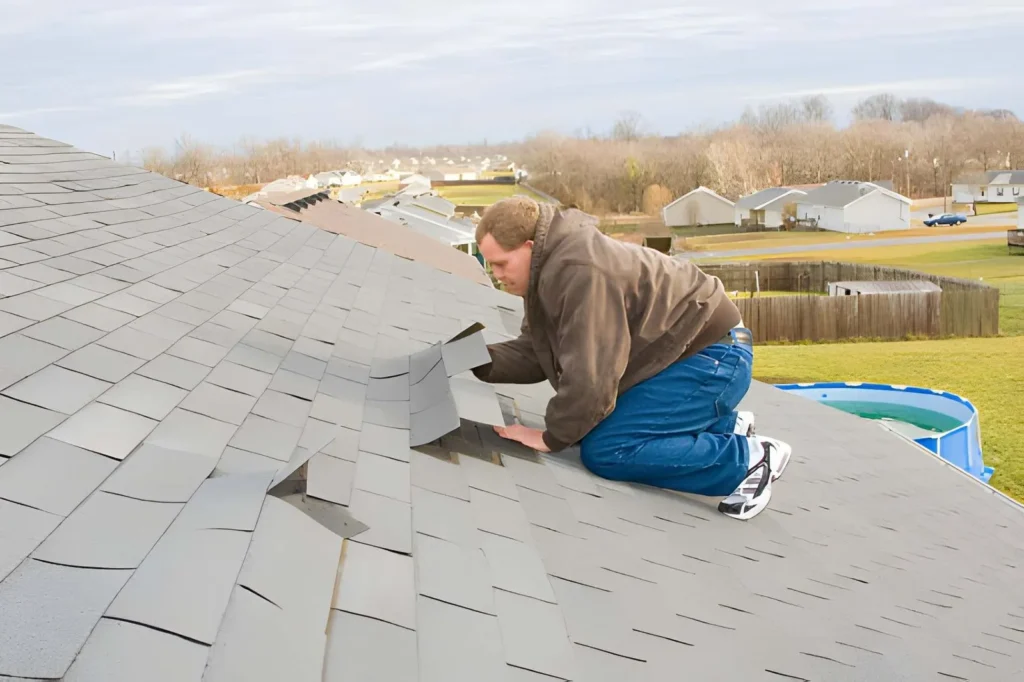
Roof shingles protect your home from rain, wind, and sunlight. However, strong winds, heavy storms, and natural aging can cause shingles to crack, curl, loosen, or disappear.
Damaged shingles expose the underlying roofing materials to moisture, increasing the risk of leaks and deterioration.
How to Prevent Shingle Damage
Choose high-quality roofing materials suitable for your local climate. After severe weather, inspect your roof from the ground for missing or damaged shingles.
Avoid walking on the roof unnecessarily because foot traffic can damage certain roofing materials. Hire a qualified roofing contractor to replace damaged shingles and ensure proper installation.
3. Clogged Gutters and Poor Drainage
Gutters direct rainwater away from your roof, walls, and foundation. When leaves, dirt, and debris accumulate, water may overflow or back up beneath roofing materials.
Over time, poor drainage can contribute to roof deterioration, exterior wall damage, and foundation problems.
How to Prevent Gutter Problems
Clean gutters regularly, especially during autumn and after major storms. Install gutter guards where appropriate to reduce debris accumulation.
Make sure downspouts direct water away from your home’s foundation. Inspect gutters for cracks, loose connections, and improper slopes.
Proper roof drainage is one of the simplest ways to prevent moisture-related roofing problems.
4. Poor Roof Ventilation
Roof ventilation helps manage heat and moisture inside the attic. Without adequate airflow, excessive heat and humidity may accumulate, contributing to condensation, mold growth, and deterioration of roof components.
Poor ventilation can also increase cooling costs during warmer months.
How to Prevent Ventilation Problems
Ensure your attic has an appropriately designed ventilation system. Ridge vents, soffit vents, and other ventilation components may help maintain airflow when correctly installed.
Keep ventilation openings clear of insulation and debris. Additionally, seal unwanted air leaks from living spaces into the attic and address indoor moisture sources.
A roofing professional can evaluate whether your ventilation system meets your home’s requirements.
5. Damaged Roof Flashing
Flashing consists of materials installed around roof intersections, chimneys, vents, and skylights to prevent water penetration.
Over time, flashing can corrode, loosen, crack, or separate from surrounding materials. Improper installation may also create vulnerable areas where water enters.
How to Prevent Flashing Damage
Inspect visible flashing during routine roof maintenance. Look for rust, gaps, loose sections, and deteriorated sealant.
Have damaged flashing repaired or replaced by an experienced professional. Properly installed flashing provides long-term protection against water intrusion.
Avoid relying on temporary sealants as permanent solutions for serious flashing problems.
6. Moss, Algae, and Mold Growth
Moss and algae commonly develop on roofs in damp, shaded environments. While algae often causes cosmetic discoloration, heavy moss growth can retain moisture and interfere with certain roofing materials.
Mold may also develop in damp roof assemblies or attic spaces where moisture problems remain unresolved.
How to Prevent Moss and Algae
Trim overhanging tree branches to improve sunlight exposure and reduce debris accumulation.
Keep gutters clean and address areas where water collects. Consider roofing materials designed to resist algae growth when replacing your roof.
Use cleaning methods approved by the roofing manufacturer. Avoid aggressive pressure washing because it can damage shingles and shorten their lifespan.
7. Roof Sagging and Structural Damage
A sagging roof can indicate serious structural concerns. Common causes include deteriorated supporting materials, excessive loads, moisture damage, and construction defects.
Unlike minor cosmetic issues, roof sagging requires prompt professional evaluation.
How to Prevent Structural Problems
Schedule periodic roof inspections and repair leaks before moisture damages structural components.
Ensure roof framing and roofing materials are suitable for expected loads. Remove accumulated snow only when necessary and through safe, professional methods.
If you notice significant sagging, cracking, or unusual movement, contact a qualified structural professional immediately.
Never ignore visible roof deformation, as it may indicate a potential safety hazard.
8. Aging Roofing Materials
Every roofing material has a limited service life. Asphalt shingles, metal roofing, tiles, and other materials deteriorate at different rates depending on weather conditions, installation quality, and maintenance.
Older roofs become more vulnerable to cracking, leaks, and other problems.
How to Prevent Premature Roof Aging
Choose durable roofing materials that match your climate and budget. Follow manufacturer maintenance recommendations and arrange regular inspections.
Repair minor problems before they become widespread. When deterioration becomes extensive, replacing the roof may be more economical than repeated repairs.
Maintaining accurate records of roof installation and previous repairs can help homeowners plan future maintenance.
9. Storm and Wind Damage
Heavy rain, hail, strong winds, and falling branches can cause significant roof damage. Severe storms may loosen shingles, puncture roofing materials, and damage gutters or flashing.
Some storm-related damage is difficult to identify without professional inspection.
How to Prevent Storm Damage
Trim weak or overhanging branches near your home. Secure loose exterior fixtures and choose roofing materials rated for local weather conditions.
After severe storms, inspect your property from a safe location. Look for fallen shingles, damaged gutters, or visible debris.
Contact a roofing contractor if you suspect hidden damage. Avoid climbing onto a wet or unstable roof.
10. Poor Roof Installation
Improper installation can cause roofing problems even when high-quality materials are used. Incorrect flashing, inadequate fastening, and poorly installed underlayment may lead to premature deterioration.
Installation mistakes can also affect manufacturer warranty coverage.
How to Prevent Installation Problems
Hire licensed or appropriately qualified roofing contractors with relevant experience. Check references, insurance coverage, and previous projects.
Request a written estimate describing the materials, installation methods, warranty terms, and expected completion schedule.
Ensure the roofing work follows local building codes and manufacturer instructions.
Investing in professional installation helps reduce long-term maintenance expenses.
Essential Roof Maintenance Tips for Homeowners
Preventive maintenance is the most effective way to minimize roofing problems. Homeowners should develop a routine inspection schedule and address visible damage promptly.
Important maintenance practices include:
- Inspecting the roof at least twice a year from a safe location.
- Cleaning gutters and checking drainage systems.
- Examining attic spaces for moisture or water stains.
- Removing debris that collects on roofing surfaces.
- Scheduling professional inspections after major storms.
- Repairing damaged materials before problems spread.
Regular maintenance can improve roofing performance, protect property value, and reduce unexpected repair expenses.
When Should You Call a Professional Roofer?
Some roofing issues require specialized knowledge and equipment. Persistent leaks, widespread shingle damage, damaged flashing, and structural concerns should be evaluated by experienced professionals.
A qualified roofer can identify hidden problems, recommend appropriate repairs, and determine whether replacement is necessary.
Professional inspections are particularly valuable for older roofs and homes exposed to severe weather conditions.
Conclusion
Understanding common roofing problems and how to prevent them is essential for maintaining a safe, durable, and energy-efficient home. Roof leaks, damaged shingles, clogged gutters, poor ventilation, and aging materials can lead to expensive repairs when ignored.
Fortunately, many roofing issues can be minimized through regular inspections, proper drainage, quality materials, and timely maintenance.
By investing in preventive roof maintenance and seeking professional assistance when necessary, homeowners can extend their roof’s lifespan, protect their property, and avoid unnecessary expenses.
Meta Description: Discover common roofing problems and how to prevent them. Learn practical tips to avoid roof leaks, damaged shingles, drainage issues, and costly repairs.
Also Read About: Affordable Backyard Landscaping Ideas for Small Homes

Welcome to Prayersgalaxys ! I’m Abdul Mannan Haider. Christian Faith Writer | 10+ Years Bible Study Experience | Founder of (prayersgalaxys.com)
Sharing prayers, Daliy Bible Verses and biblical wisdom to strengthen your faith.
Abdul Mannan Haider
Welcome to Prayersgalaxys ! I'm Abdul Mannan Haider. Christian Faith Writer | 10+ Years Bible Study Experience | Founder of (prayersgalaxys.com)
Sharing prayers, Daliy Bible Verses and biblical wisdom to strengthen your faith.