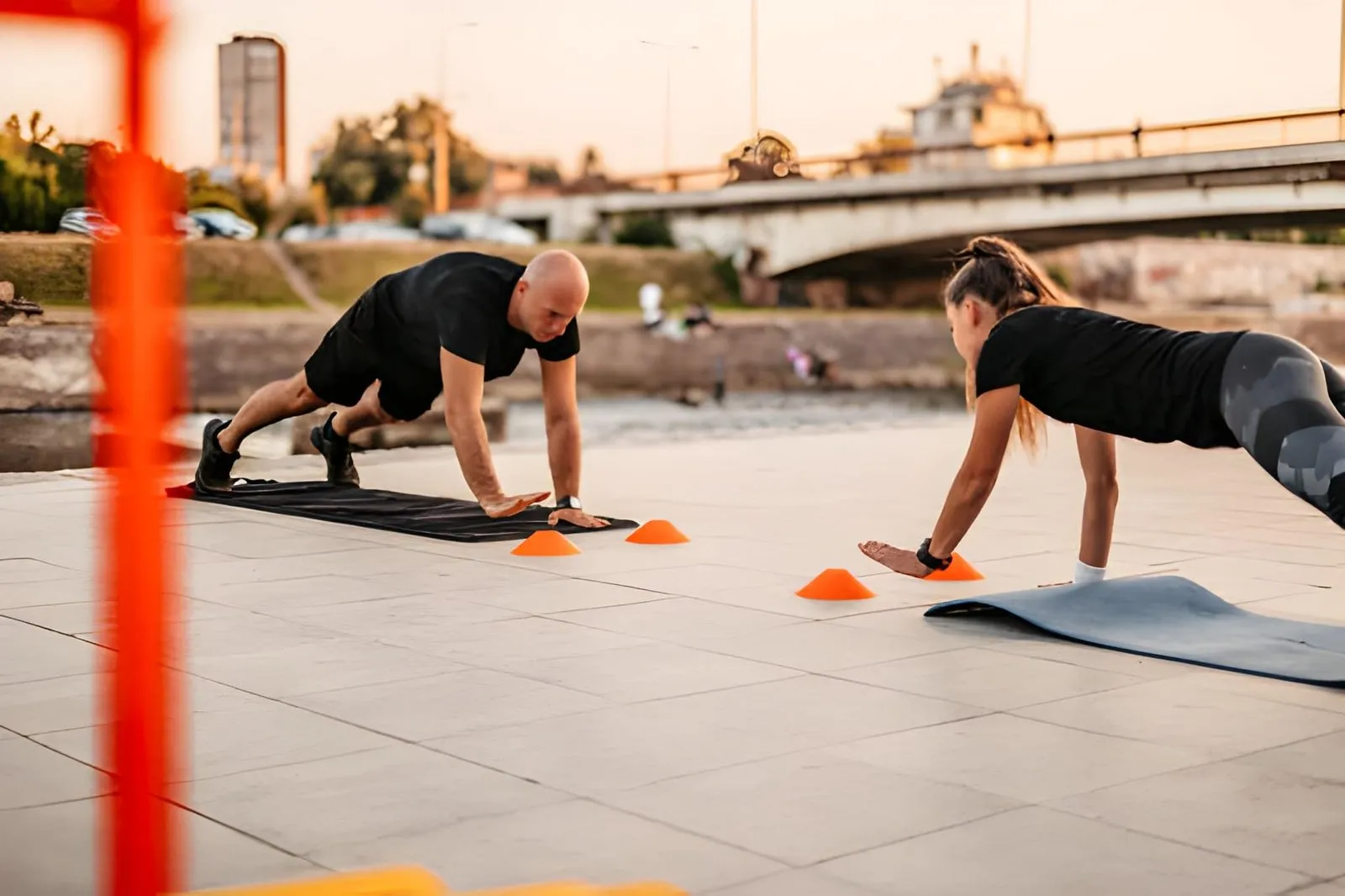
Common Fitness Mistakes Beginners Should Avoid

Starting a fitness journey is an exciting step toward improving your health, building strength, and living a more active lifestyle. However, many beginners make common fitness mistakes that can slow their progress, increase the risk of injuries, and reduce motivation. Understanding these mistakes can help you develop a safe and effective workout routine.
Whether your goal is to lose weight, build muscle, improve endurance, or maintain overall wellness, following the right fitness practices is essential. Beginners often focus on quick results instead of developing sustainable habits. This approach can lead to frustration and unnecessary physical strain.
In this article, we will explore the common fitness mistakes beginners should avoid, explain why they happen, and share practical tips to achieve long-term fitness success.
1. Skipping Warm-Ups Before Exercise
One of the most common workout mistakes beginners make is starting intense exercises without warming up. A proper warm-up gradually increases your heart rate, improves blood circulation, and prepares your muscles for physical activity.
Skipping warm-ups may leave your body less prepared for demanding movements, potentially increasing the risk of muscle strains and other injuries.
How to Avoid This Mistake
Spend approximately 5–10 minutes performing light movements before your workout. Walking, gentle jogging, arm circles, and dynamic stretches are excellent options.
Choose warm-up exercises that match your planned activity. For example, perform bodyweight squats before a leg workout or light shoulder movements before upper-body training.
2. Exercising Too Much Too Soon
Many beginners become highly motivated and attempt challenging workouts immediately. While enthusiasm is valuable, pushing your body beyond its current fitness level can cause excessive fatigue, soreness, and overuse injuries.
Your muscles, joints, and cardiovascular system need time to adapt to increased physical activity.
How to Avoid This Mistake
Start with manageable workouts and gradually increase their duration, frequency, or intensity. Beginners can begin with shorter sessions and add more exercise as their fitness improves.
Remember that consistency matters more than workout intensity when building sustainable fitness habits.
3. Ignoring Proper Exercise Form
Incorrect exercise technique is another major fitness mistake. Beginners sometimes prioritize lifting heavier weights or completing more repetitions without learning proper movement patterns.
Poor form can place unnecessary stress on muscles and joints, especially during exercises such as squats, deadlifts, push-ups, and lunges.
How to Avoid This Mistake
Learn the correct technique before increasing resistance. Start with lighter weights or bodyweight exercises and focus on controlled movements.
Consider working with a qualified fitness trainer who can demonstrate proper techniques and correct mistakes.
4. Not Following a Structured Workout Plan
Entering the gym without a clear exercise plan often results in inconsistent workouts and unbalanced muscle development.
Some beginners repeatedly train their favorite muscle groups while ignoring others. Others switch between exercises without understanding how they support their fitness goals.
How to Avoid This Mistake
Create a beginner-friendly workout routine that includes strength training, cardiovascular exercise, mobility, and recovery.
A structured fitness plan helps you monitor progress, maintain consistency, and gradually improve your physical performance.
5. Neglecting Rest and Recovery
Rest is an essential part of physical fitness, yet beginners frequently underestimate its importance. Exercising intensely every day without adequate recovery can lead to persistent fatigue, declining performance, and overuse injuries.
Muscles need sufficient recovery time to adapt to strength training.
How to Avoid This Mistake
Include rest days and lighter activity sessions in your weekly schedule. Avoid intensely training the same muscle groups on consecutive days.
Walking, gentle stretching, and mobility exercises can support active recovery without placing excessive demands on your body.
6. Focusing Only on Cardio Exercises
Cardiovascular activities such as running, cycling, and swimming improve heart health and endurance. However, beginners who focus exclusively on cardio may overlook the benefits of strength training.
Resistance exercises help develop muscles, maintain bone strength, and improve everyday functional movements.
How to Avoid This Mistake
Combine aerobic activities with resistance training. Beginners can start with bodyweight exercises, resistance bands, or light dumbbells.
A balanced fitness routine supports muscle development, cardiovascular health, and overall physical fitness.
7. Setting Unrealistic Fitness Goals
Expecting dramatic physical transformations within a few weeks is a common beginner mistake. Social media fitness content sometimes creates unrealistic expectations about weight loss and muscle growth.
When results take longer than expected, beginners may lose motivation and abandon their routines.
How to Avoid This Mistake
Set realistic, measurable, and achievable fitness goals. Instead of expecting immediate transformations, focus on improvements in strength, stamina, flexibility, and consistency.
Celebrate small achievements, such as completing your first full workout or increasing your walking distance.
8. Ignoring Proper Nutrition
Exercise alone cannot replace a balanced diet. Some beginners skip meals, follow restrictive diets, or consume insufficient nutrients while attempting to lose weight quickly.
Poor nutrition can negatively affect energy levels, workout performance, and recovery.
How to Avoid This Mistake
Eat balanced meals containing protein, healthy fats, carbohydrates, fruits, and vegetables.
Protein supports muscle repair, while carbohydrates provide energy for exercise. Healthy fats also contribute to normal bodily functions.
Avoid extreme dieting and focus on developing sustainable eating habits.
9. Not Drinking Enough Water
Hydration plays an important role in physical performance and temperature regulation. Beginners sometimes forget to drink water before, during, and after exercise.
Dehydration can contribute to fatigue, headaches, dizziness, and reduced exercise performance.
How to Avoid This Mistake
Drink water regularly throughout the day and adjust your intake according to exercise intensity, temperature, and sweating.
For most shorter workouts, water is sufficient. Longer or particularly sweaty sessions may require additional electrolyte replacement.
10. Comparing Progress With Others
Comparing your fitness progress with experienced gym members or social media influencers can create unnecessary pressure.
Everyone has different fitness levels, body types, training histories, and recovery needs. What works for one person may not be appropriate for another.
How to Avoid This Mistake
Focus on your individual fitness journey rather than someone else’s results.
Track improvements in your strength, endurance, energy levels, and exercise technique. Personal progress provides a more meaningful measure of success.
11. Forgetting the Importance of Sleep
Sleep is frequently overlooked by beginners who concentrate only on workouts and diet.
Insufficient sleep can affect concentration, energy, physical recovery, and exercise performance. It may also make maintaining healthy habits more difficult.
How to Avoid This Mistake
Aim for approximately 7–9 hours of sleep each night if you are an adult.
Maintain a consistent sleep schedule, reduce unnecessary screen exposure before bedtime, and create a comfortable sleeping environment.
12. Giving Up Too Early
One of the biggest fitness mistakes is quitting when visible results do not appear immediately.
Building strength, improving cardiovascular fitness, and changing body composition require time and consistent effort.
How to Avoid This Mistake
Choose enjoyable physical activities and establish a realistic schedule.
Monitor your achievements and adjust your workout routine when necessary. Long-term commitment is more effective than temporary bursts of extreme exercise.
Frequently Asked Questions (FAQs)
1. What is the biggest fitness mistake beginners make?
One of the biggest mistakes is doing too much exercise too soon without allowing the body to adapt.
2. How many days should beginners exercise?
Many beginners can start with three to four manageable workout days per week, depending on their health and fitness level.
3. Should beginners lift weights?
Yes. Strength training with appropriate resistance and proper technique can improve muscle strength and overall fitness.
4. Is cardio or strength training better for beginners?
Both are beneficial. Combining cardiovascular exercise and strength training provides a more balanced fitness routine.
5. How long should a beginner workout last?
A beginner workout may last approximately 20–40 minutes, depending on exercise intensity and individual ability.
6. Should beginners exercise every day?
Daily intense workouts are unnecessary. Rest days and lighter activities help support recovery.
7. How important is nutrition for fitness beginners?
Nutrition is extremely important because it supports energy, muscle recovery, and general health.
8. Can beginners build muscle at home?
Yes. Bodyweight exercises and resistance bands can help beginners develop strength without gym equipment.
9. How long does it take to see fitness results?
Some improvements in energy and endurance may appear within weeks, while visible physical changes often take longer.
10. What should beginners do if exercise causes pain?
Stop the painful movement. Persistent, sharp, or worsening pain should be assessed by a qualified healthcare professional.
Conclusion
Avoiding common fitness mistakes beginners make is essential for developing a healthy and sustainable exercise routine. Proper warm-ups, balanced workouts, good nutrition, adequate hydration, and sufficient recovery all contribute to long-term progress.
Beginners should prioritize correct exercise techniques, realistic goals, and consistent effort rather than expecting immediate results. By understanding these common workout mistakes and adopting healthier fitness habits, anyone can build a stronger foundation for lifelong physical wellness.
Also Read About: Best Low-Impact Exercises for Beginners: A Complete Guide to Staying Active

Welcome to Prayersgalaxys ! I’m Abdul Mannan Haider. Christian Faith Writer | 10+ Years Bible Study Experience | Founder of (prayersgalaxys.com)
Sharing prayers, Daliy Bible Verses and biblical wisdom to strengthen your faith.
Abdul Mannan Haider
Welcome to Prayersgalaxys ! I'm Abdul Mannan Haider. Christian Faith Writer | 10+ Years Bible Study Experience | Founder of (prayersgalaxys.com)
Sharing prayers, Daliy Bible Verses and biblical wisdom to strengthen your faith.