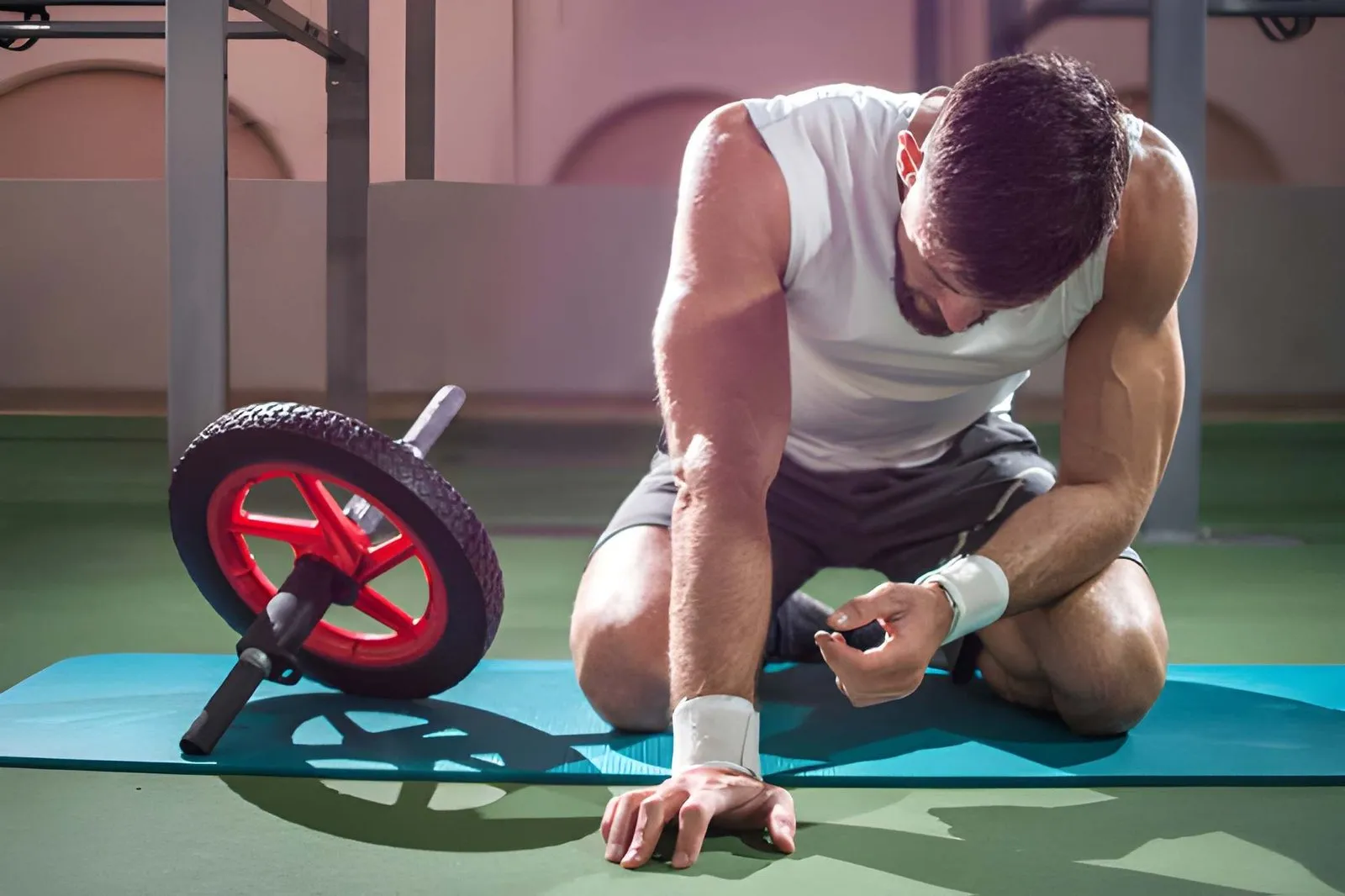
Best Low-Impact Exercises for Beginners: A Complete Guide to Staying Active
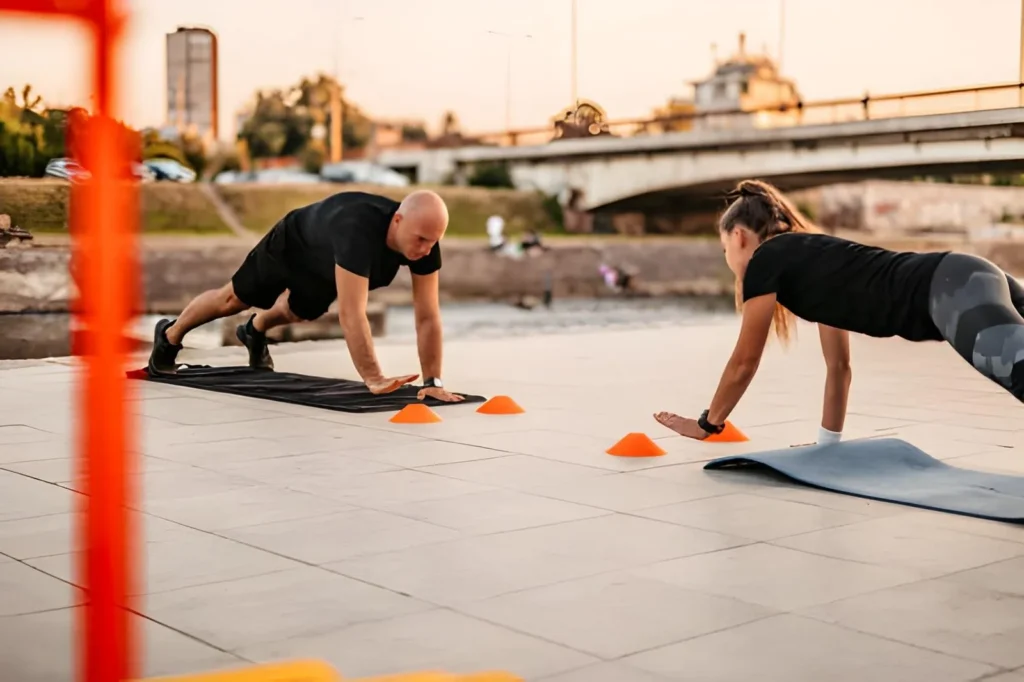
Starting a fitness journey can feel challenging, especially when you are unfamiliar with exercise routines or worried about putting too much pressure on your joints. Fortunately, low-impact exercises for beginners offer a comfortable and effective way to improve physical fitness without excessive strain.
Low-impact workouts involve movements that minimize stress on the knees, hips, ankles, and other joints. These exercises are suitable for beginners, older adults, individuals returning to exercise, and people who prefer gentle physical activities.
Whether your goal is to lose weight, improve flexibility, strengthen muscles, or maintain overall wellness, incorporating beginner-friendly low-impact workouts into your daily routine can make a meaningful difference.
This guide explores the best low-impact exercises, their benefits, and practical tips for building a sustainable fitness routine.
What Are Low-Impact Exercises?
Low-impact exercises are physical activities designed to reduce the force placed on joints during movement. Unlike high-impact workouts such as running and jumping, most low-impact activities keep at least one foot connected to the ground or support the body through water or equipment.
These exercises can improve cardiovascular endurance, muscular strength, balance, and flexibility.
Popular examples include walking, swimming, cycling, yoga, and Pilates. Although these activities are gentler on joints, they can still provide excellent fitness benefits when performed consistently.
Benefits of Low-Impact Exercises for Beginners
Low-impact workouts provide several advantages for people starting their fitness journeys.
Improves cardiovascular health: Activities such as walking and cycling strengthen the heart and improve endurance.
Reduces joint stress: Gentle movements help minimize repetitive impact on the knees, ankles, and hips.
Builds muscle strength: Exercises such as squats, Pilates, and resistance training improve muscular stability.
Supports weight management: Regular physical activity burns calories and contributes to maintaining a healthy body weight.
Improves flexibility and balance: Yoga and stretching can increase mobility and coordination.
Supports mental well-being: Consistent exercise may reduce stress, improve mood, and promote better sleep.
These benefits make low-impact fitness routines a practical choice for developing healthy exercise habits.
1. Walking
Walking is one of the simplest and most accessible low-impact exercises for beginners. It requires no expensive equipment and can be performed almost anywhere.
Regular walking improves cardiovascular fitness, strengthens leg muscles, and supports weight management.
Beginners can start with 10–15 minutes of comfortable walking daily and gradually increase their duration.
For additional benefits, try walking on flat outdoor paths, using a treadmill, or exploring local parks. Comfortable footwear and proper posture can make the experience more enjoyable.
2. Swimming
Swimming is an excellent full-body exercise that places minimal weight-bearing stress on joints.
Water supports body weight while providing natural resistance, making swimming particularly useful for individuals who experience discomfort during land-based activities.
Swimming strengthens muscles, improves lung capacity, and develops cardiovascular endurance.
Beginners can start with short swimming sessions or water-walking exercises before progressing to longer workouts.
Always choose a supervised swimming environment if you are inexperienced or uncomfortable in water.
3. Stationary Cycling
Stationary cycling provides an effective cardiovascular workout without the repeated impact associated with running.
It strengthens the quadriceps, hamstrings, and calf muscles while improving endurance.
Beginners should start with approximately 10–15 minutes at low resistance and increase workout intensity gradually.
Adjusting the bicycle seat correctly is important for maintaining comfortable knee movement.
Stationary cycling is particularly convenient because it allows individuals to exercise indoors regardless of weather conditions.
4. Yoga
Yoga combines gentle physical movements, stretching, controlled breathing, and relaxation techniques.
It is an excellent option for beginners who want to improve flexibility, posture, and balance.
Beginner-friendly yoga poses include Mountain Pose, Child’s Pose, Cat-Cow Stretch, and gentle seated stretches.
Practicing yoga regularly can help improve body awareness and reduce muscle tension.
Start with short sessions and avoid forcing your body into uncomfortable positions. Using yoga blocks or cushions can provide additional support.
5. Pilates
Pilates focuses on strengthening the core muscles, improving posture, and developing controlled movement.
Unlike exercises involving jumping or sudden movements, beginner Pilates routines emphasize stability and precision.
Common beginner exercises include pelvic tilts, modified bridges, heel slides, and gentle leg movements.
Pilates may help improve abdominal strength, spinal support, and overall coordination.
Beginners should focus on correct technique rather than performing numerous repetitions.
6. Water Aerobics
Water aerobics combines cardiovascular exercise with gentle resistance training.
Because water supports much of the body’s weight, movements often feel easier on joints than comparable exercises performed on land.
Typical activities include water marching, leg lifts, arm movements, and gentle side steps.
Water aerobics can improve muscle endurance, flexibility, and cardiovascular fitness.
It is especially helpful for individuals seeking a supportive exercise environment with reduced weight-bearing demands.
7. Elliptical Training
An elliptical machine provides a smooth, continuous movement that resembles walking or running without repeated foot strikes.
This makes it a popular option for people who want cardiovascular exercise with less joint impact.
Elliptical workouts engage the lower body, while machines with moving handles also involve the upper body.
Beginners should use low resistance and maintain an upright posture.
Starting with five to ten minutes can help the body adapt before increasing workout duration.
8. Bodyweight Strength Training
Low-impact exercise is not limited to cardiovascular activities. Gentle strength training is equally important for overall fitness.
Beginner-friendly movements include wall push-ups, chair squats, standing calf raises, and glute bridges.
These exercises strengthen muscles without requiring heavy equipment.
Start with one set of 8–12 controlled repetitions for each movement, adjusting the number according to your comfort and ability.
Strength training two days per week can complement walking, cycling, and other aerobic activities.
9. Tai Chi
Tai Chi is a traditional movement practice involving slow, controlled movements, breathing, and focused attention.
It is especially useful for improving balance, coordination, and body awareness.
The gentle movements make Tai Chi accessible to many beginners, including older adults.
Regular practice may also help reduce stress and improve stability during everyday activities.
Beginners can follow introductory classes or guided routines to learn proper movement patterns.
Beginner-Friendly Low-Impact Workout Plan
Creating a simple weekly schedule makes it easier to maintain consistency.
| Day | Exercise | Duration |
| Monday | Walking | 15–20 minutes |
| Tuesday | Beginner Yoga | 15 minutes |
| Wednesday | Stationary Cycling | 15–20 minutes |
| Thursday | Gentle Pilates | 15 minutes |
| Friday | Walking and Stretching | 20 minutes |
| Saturday | Swimming or Water Aerobics | 20 minutes |
| Sunday | Rest or Gentle Walking | 10 minutes |
This schedule is a starting point rather than a strict requirement. Beginners can adjust workout durations, substitute activities, and include additional rest days depending on their fitness levels.
Tips for Starting Low-Impact Exercises Safely
Building a successful fitness routine requires patience and consistency.
Start slowly: Begin with manageable workout durations and increase activity gradually.
Warm up properly: Spend five minutes performing gentle movements before exercising.
Maintain proper technique: Correct posture and controlled movements help reduce unnecessary strain.
Stay hydrated: Drink water throughout the day and replace fluids lost during exercise.
Listen to your body: Stop exercising if you experience sharp pain, dizziness, or unusual discomfort.
Prioritize consistency: Regular moderate activity generally provides greater long-term benefits than occasional exhausting workouts.
Adults can gradually work toward recommended activity levels of at least 150 minutes of moderate-intensity aerobic exercise weekly, alongside muscle-strengthening activities on two or more days.
Individuals with medical conditions, significant joint pain, or recent injuries should seek personalized advice from a healthcare professional.
Common Mistakes Beginners Should Avoid
One common mistake is increasing workout intensity too quickly. Although low-impact exercises are gentler on joints, excessive training can still cause muscle soreness or overuse injuries.
Another mistake is skipping rest days. Muscles need adequate recovery time to adapt and become stronger.
Some beginners also overlook strength training and focus exclusively on cardiovascular activities. Combining both forms of exercise creates a more balanced fitness routine.
Finally, comparing personal progress with others can lead to unrealistic expectations. Fitness improvements occur gradually and depend on individual circumstances.
Conclusion
The best low-impact exercises for beginners provide an accessible way to improve cardiovascular health, strengthen muscles, increase flexibility, and develop long-term fitness habits.
Walking, swimming, cycling, yoga, Pilates, and gentle strength training are excellent starting options for individuals seeking effective workouts without excessive joint stress.
The most important factor is choosing activities that feel comfortable, match your abilities, and encourage consistency.
By starting slowly, following a balanced routine, and gradually increasing activity levels, beginners can build strength, improve endurance, and enjoy a healthier, more active lifestyle.
Also Read About: Common Causes of Fatigue and When to See a Doctor

Welcome to Prayersgalaxys ! I’m Abdul Mannan Haider. Christian Faith Writer | 10+ Years Bible Study Experience | Founder of (prayersgalaxys.com)
Sharing prayers, Daliy Bible Verses and biblical wisdom to strengthen your faith.
Abdul Mannan Haider
Welcome to Prayersgalaxys ! I'm Abdul Mannan Haider. Christian Faith Writer | 10+ Years Bible Study Experience | Founder of (prayersgalaxys.com)
Sharing prayers, Daliy Bible Verses and biblical wisdom to strengthen your faith.