The Evolution of Automotive Safety Features in Modern Vehicles

Automotive safety has undergone a remarkable transformation over the past century. From basic seat belts to advanced artificial intelligence systems, modern vehicles are equipped with innovative technologies designed to protect drivers, passengers, and pedestrians. The evolution of automotive safety features has significantly improved road safety, reduced accident risks, and enhanced the overall driving experience.
In the early days of automobile manufacturing, vehicle safety received relatively little attention. Cars were primarily designed for transportation, speed, and convenience. However, increasing traffic accidents and growing public awareness encouraged manufacturers to introduce better safety measures.
Today, modern vehicle safety technology combines intelligent sensors, cameras, automated braking, and sophisticated driver assistance systems. These developments help prevent collisions while minimizing injuries when accidents occur.
Understanding how automotive safety features have evolved provides valuable insight into the technologies shaping the future of transportation.
The Early Development of Automotive Safety Features
During the early 20th century, automobiles lacked many safety features that drivers now consider essential. Most vehicles had basic braking systems, limited structural protection, and no standardized passenger restraints.
As vehicle ownership increased, road accidents became a serious concern. Manufacturers gradually recognized the importance of protecting occupants through improved engineering and safety equipment.
One of the earliest developments was the introduction of laminated safety glass, which helped reduce injuries caused by shattered windshields.
Other improvements included stronger vehicle bodies, better braking mechanisms, and improved steering systems. Although these innovations were relatively simple, they established the foundation for modern automotive safety engineering.
The Introduction of Seat Belts and Passenger Protection
The invention and widespread adoption of seat belts marked a major milestone in automotive safety history.
In 1959, Volvo introduced the modern three-point seat belt, developed by engineer Nils Bohlin. This design secured both the upper and lower body, offering significantly better protection than earlier lap belts.
Seat belts became increasingly common as governments introduced vehicle safety regulations.
Modern seat belt systems now incorporate advanced technologies, including:
- Pretensioners: Tighten seat belts during a collision.
- Load Limiters: Reduce excessive pressure on occupants.
- Seat Belt Reminders: Alert passengers who are not properly restrained.
- Adjustable Anchors: Improve comfort and positioning.
These improvements demonstrate how a relatively simple invention continues to play a critical role in preventing serious injuries.
Airbags and Advanced Crash Protection Systems
Airbags represented another important advancement in vehicle passenger protection.
Although airbags were developed decades earlier, they became increasingly common in passenger vehicles during the 1980s and 1990s.
An airbag rapidly inflates during certain collisions, providing a protective cushion that helps reduce contact with hard interior surfaces.
Modern vehicles may include several types of airbags, such as front airbags, side-impact airbags, curtain airbags, and knee airbags.
Manufacturers have also developed advanced airbag deployment systems that consider collision severity and, in some designs, occupant characteristics.
Airbags work together with seat belts rather than replacing them. This combined approach provides stronger protection during accidents.
Anti-Lock Braking Systems and Electronic Stability Control
The introduction of Anti-Lock Braking Systems (ABS) transformed vehicle braking performance.
ABS helps prevent wheels from locking during hard braking, allowing drivers to maintain steering control in many emergency situations.
This technology became widely available in passenger vehicles during the late 20th century.
Another major development was Electronic Stability Control (ESC), which helps drivers maintain vehicle stability when the system detects a potential loss of control.
ESC can automatically apply braking force to individual wheels and adjust engine power when necessary.
Together, ABS and ESC have improved vehicle handling and helped reduce certain types of accidents, particularly on slippery roads and during sudden maneuvers.
The Rise of Advanced Driver Assistance Systems
Modern automotive safety has moved beyond protecting occupants during crashes. Manufacturers now emphasize preventing accidents before they happen.
Advanced Driver Assistance Systems (ADAS) use cameras, radar, sensors, and computer software to monitor driving conditions.
Common ADAS technologies include:
- Automatic Emergency Braking (AEB): Applies brakes when an imminent collision is detected and the driver does not respond adequately.
- Lane Departure Warning: Alerts drivers when their vehicle unintentionally leaves its lane.
- Blind Spot Monitoring: Warns about vehicles in areas that may be difficult to see.
- Adaptive Cruise Control: Adjusts vehicle speed to maintain a selected following distance.
- Rear Cross-Traffic Alert: Warns about approaching traffic while reversing.
These technologies improve driver awareness and provide additional protection in challenging traffic situations.
However, most ADAS features require drivers to remain attentive and maintain control of their vehicles.
The Importance of Crash Testing and Vehicle Safety Ratings
Crash testing has played an essential role in improving automotive safety standards.
Organizations such as the National Highway Traffic Safety Administration (NHTSA) and the Insurance Institute for Highway Safety (IIHS) evaluate vehicle safety through standardized testing programs.
These assessments examine factors such as frontal collision protection, side-impact performance, rollover resistance, and crash avoidance capabilities.
Vehicle manufacturers use crash test findings to improve structural designs and passenger protection systems.
Modern automobiles often feature reinforced passenger compartments, carefully engineered crumple zones, and improved side-impact protection.
Safety ratings also help consumers compare vehicles and make informed purchasing decisions.
Artificial Intelligence and Smart Vehicle Safety Technology
Artificial intelligence is becoming increasingly important in the development of modern automotive safety systems.
AI-powered technologies can process information from multiple sensors and identify potential hazards in real time.
For example, driver monitoring systems can detect signs of distraction or reduced attention and issue warnings.
Some vehicles also offer advanced pedestrian detection, cyclist recognition, and intelligent parking assistance.
AI-supported safety systems can help vehicles respond more effectively to complex road environments.
As these technologies improve, manufacturers are working toward more reliable collision prevention and automated driving capabilities.
Electric Vehicles and Their Safety Innovations
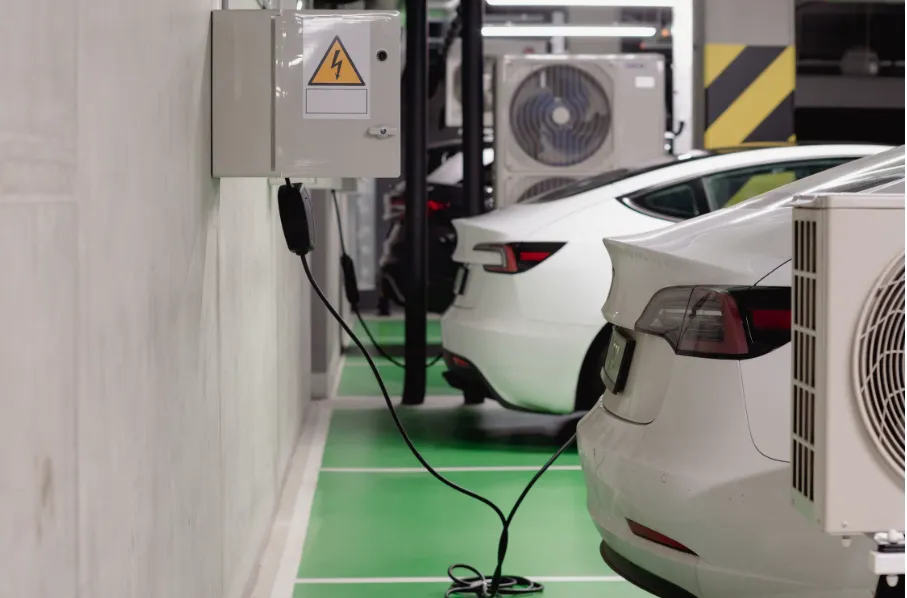
The growing popularity of electric vehicles has introduced new considerations in automotive safety engineering.
Electric vehicles often feature a low center of gravity because their heavy battery packs are positioned beneath the passenger compartment. This design can improve stability and reduce rollover risk in many situations.
Manufacturers also incorporate specialized battery protection systems, electrical isolation mechanisms, and thermal monitoring technologies.
These features help manage risks associated with high-voltage electrical components and battery damage.
Additionally, many modern electric vehicles offer advanced driver assistance features and comprehensive collision protection systems.
The Future of Automotive Safety Features
The future of automotive safety will likely focus on connected vehicles, intelligent automation, and improved accident prevention.
Vehicle-to-Everything (V2X) communication could allow compatible vehicles to exchange information with nearby vehicles, road infrastructure, and other connected systems.
This technology may help drivers receive warnings about approaching hazards, traffic congestion, and dangerous intersections.
Other emerging developments include enhanced night vision, improved driver monitoring, more sophisticated automatic braking, and increasingly capable automated driving systems.
Although fully autonomous driving presents significant technical and regulatory challenges, continued research may contribute to safer transportation.
Conclusion
The evolution of automotive safety features in modern vehicles reflects decades of engineering innovation and technological progress.
From the introduction of three-point seat belts and airbags to advanced braking systems and AI-powered driver assistance, automotive manufacturers have continuously improved vehicle protection.
Modern safety technologies not only reduce the severity of certain accidents but also help prevent collisions through intelligent monitoring and automated responses.
As the automotive industry advances, safety will remain a central priority. Drivers can benefit from these innovations by choosing vehicles with strong safety ratings, understanding their safety features, and practicing responsible driving habits.
Ultimately, the combination of advanced automotive technology, effective safety regulations, and attentive driving offers the greatest opportunity to create safer roads for everyone.
Also Read About: How to Maximize Electric Car Battery Life and Performance

Welcome to Prayersgalaxys ! I’m Abdul Mannan Haider. Christian Faith Writer | 10+ Years Bible Study Experience | Founder of (prayersgalaxys.com)
Sharing prayers, Daliy Bible Verses and biblical wisdom to strengthen your faith.
Abdul Mannan Haider
Welcome to Prayersgalaxys ! I'm Abdul Mannan Haider. Christian Faith Writer | 10+ Years Bible Study Experience | Founder of (prayersgalaxys.com)
Sharing prayers, Daliy Bible Verses and biblical wisdom to strengthen your faith.