The Difference Between Renting and Buying a Home: Which Is Better for You?
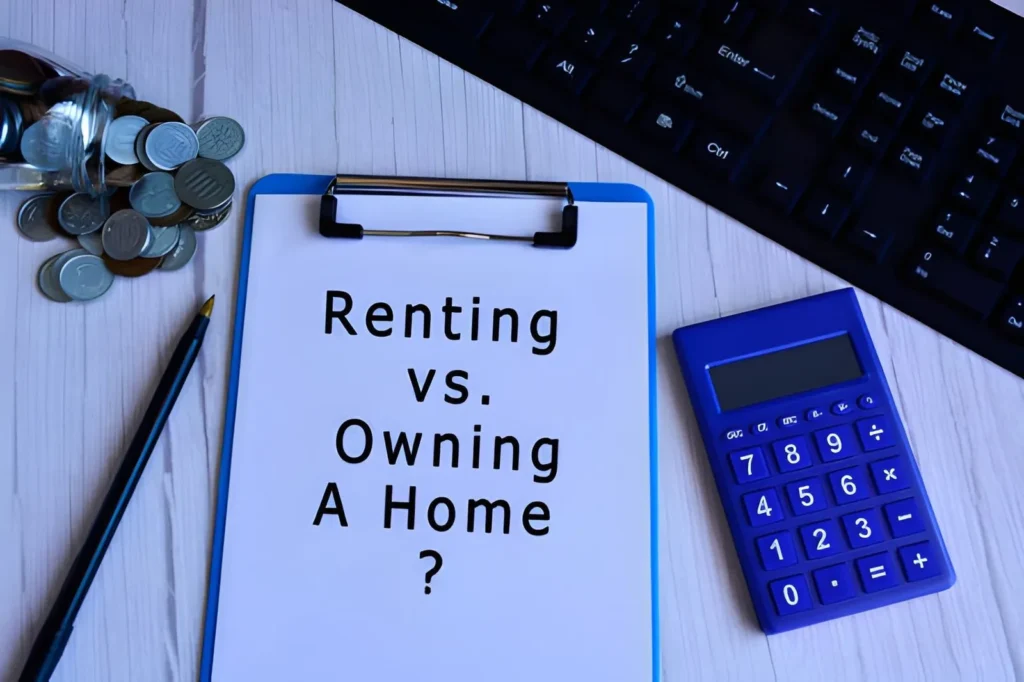
Choosing between renting and buying a home is one of the most important financial decisions people make. Both options offer unique benefits and challenges, depending on your lifestyle, income, financial goals, and long-term plans. Understanding the difference between renting and buying a home can help you make a smarter decision about your future.
Some people prefer renting because it provides flexibility and fewer responsibilities. Others choose homeownership because it offers stability, the opportunity to build equity, and greater control over their living space. However, neither option is automatically better for everyone.
In this guide, we will explore the advantages, disadvantages, costs, and important factors involved in renting versus buying a home.
What Does Renting a Home Mean?
Renting a home means paying a property owner or landlord a monthly amount to live in their house, apartment, or condominium. The tenant has the right to occupy the property according to the rental agreement but does not own it.
Renting is popular among young professionals, students, families, and people who frequently relocate for work. It allows individuals to enjoy comfortable housing without making a large financial commitment.
One major benefit of renting is that tenants generally do not have to handle expensive structural repairs or major maintenance issues. These responsibilities usually belong to the landlord, depending on the lease agreement and local laws.
However, renters must follow property rules, and their monthly rent may increase when the lease is renewed.
What Does Buying a Home Mean?
Buying a home involves purchasing residential property through personal savings, financing, or a mortgage loan. Once the purchase is completed, the buyer becomes the legal owner, subject to any mortgage or other claims against the property.
Homeownership provides greater independence and the opportunity to build long-term wealth through property equity. As homeowners repay their mortgage principal, their ownership stake generally increases.
Unlike renting, buying requires substantial upfront expenses, including a down payment, closing costs, inspections, and other fees.
Homeowners are also responsible for property taxes, insurance, maintenance, and repairs. Despite these expenses, many people consider buying a home an important financial milestone.
Key Differences Between Renting and Buying a Home
Understanding the main differences between renting and buying can make your housing decision easier.
| Factors | Renting a Home | Buying a Home |
| Ownership | No property ownership | Full legal ownership |
| Initial Cost | Usually lower | Usually higher |
| Monthly Payments | Monthly rent | Mortgage and other expenses |
| Maintenance | Mostly landlord’s responsibility | Homeowner’s responsibility |
| Flexibility | Easier to relocate | Selling can take time |
| Equity Building | No property equity | Opportunity to build equity |
| Customization | Often limited | Greater freedom |
| Financial Risk | Lower exposure to property value changes | Exposure to market fluctuations |
| Long-Term Stability | Depends on lease terms | Greater housing control |
Both options have financial and lifestyle implications that should be carefully considered.
Advantages of Renting a Home
1. Lower Upfront Costs
One of the biggest advantages of renting is affordability at the beginning. Renters typically need a security deposit and possibly the first month’s rent rather than a substantial down payment.
This makes renting attractive for individuals who have limited savings or prefer to keep their money available for other priorities.
2. Greater Flexibility
Renting provides flexibility for people who may need to move frequently. Whether relocating for employment, education, or personal reasons, tenants can usually move after completing their lease obligations.
This flexibility is especially valuable for young professionals exploring career opportunities in different cities.
3. Fewer Maintenance Responsibilities
Major repairs, plumbing problems, and structural maintenance are generally handled by landlords.
Renters can avoid many unexpected repair expenses that homeowners must manage themselves, although tenants may still have certain maintenance obligations.
4. Access to Better Locations
Renting may allow people to live in desirable neighborhoods where purchasing property would be financially difficult.
For example, renting an apartment near a business district may be more affordable than buying a home in the same area.
Disadvantages of Renting a Home
Despite its benefits, renting also has several limitations.
1. No Equity Building
Monthly rent payments provide housing but do not create ownership in the property. Unlike homeowners, renters cannot build property equity through their housing payments.
2. Potential Rent Increases
Landlords may increase rental prices when lease agreements expire, subject to applicable laws. Rising rents can make long-term budgeting challenging.
3. Limited Property Control
Renters often need permission before painting walls, renovating rooms, or making major changes.
Additionally, landlords may decide not to renew leases under circumstances permitted by local regulations.
Advantages of Buying a Home
1. Building Long-Term Equity
One of the strongest reasons to buy a home is the opportunity to build equity.
As mortgage principal decreases, homeowners generally gain a larger ownership stake. Property appreciation can also increase equity, although home values may decline.
2. Greater Stability
Homeownership can provide long-term residential stability. Owners do not have to worry about landlords deciding to sell the property or declining to renew a lease.
This stability is particularly appealing to families planning to remain in one community.
3. Freedom to Customize
Homeowners have greater freedom to renovate, decorate, and improve their properties.
They can redesign kitchens, upgrade bathrooms, install modern appliances, or create outdoor living spaces, subject to building codes and community restrictions.
4. Potential Financial Benefits
Owning property may provide financial benefits through appreciation and possible tax deductions, depending on local tax laws.
Additionally, homeowners with fixed-rate mortgages may enjoy more predictable principal and interest payments.
Disadvantages of Buying a Home
1. High Initial Investment
Buying property requires considerable savings. Down payments, closing costs, inspections, and moving expenses can create financial pressure.
2. Ongoing Maintenance Expenses
Homeowners must pay for repairs, maintenance, property taxes, and insurance.
Unexpected expenses, such as replacing a roof or repairing a heating system, can significantly affect household budgets.
3. Limited Mobility
Selling a house takes time and may involve real estate agent commissions, closing expenses, and market uncertainty.
People who frequently relocate may find homeownership less convenient.
4. Property Market Risks
Real estate prices can fluctuate because of economic conditions, interest rates, and local market demand.
Homeowners may experience financial losses if property values decrease and they need to sell.
Renting vs. Buying: Which Is More Affordable?
The affordability of renting versus buying depends on several factors, including location, mortgage rates, property prices, and expected length of residence.
Renting generally requires less money upfront. However, buying may offer long-term financial advantages through equity accumulation.
For example, suppose renting a home costs $1,500 per month while purchasing a comparable property requires a $1,800 monthly mortgage payment.
Although renting appears cheaper initially, homeowners may recover some of their investment through equity. However, mortgage payments are not the only ownership expense.
Property taxes, insurance, maintenance, mortgage interest, and transaction costs must also be considered.
Therefore, comparing total housing costs rather than monthly payments alone is essential.
Important Factors to Consider Before Making a Decision
Before choosing between renting and buying a home, evaluate your personal circumstances.
Financial stability: Consider your income, savings, existing debts, and emergency funds.
Career plans: Renting may be preferable if you expect to relocate within a few years.
Housing market conditions: Research local property prices, rental rates, and mortgage interest rates.
Lifestyle preferences: Decide whether flexibility or long-term stability matters more.
Future goals: Consider family plans, retirement objectives, and potential financial investments.
Evaluating these factors can help you avoid unnecessary financial pressure.
When Is Renting a Better Option?
Renting may be the better choice when you are beginning your career, have limited savings, or expect frequent relocation.
It can also be suitable when property prices are unusually high compared with rental costs.
People who prefer fewer maintenance responsibilities may find renting more convenient.
Additionally, renting allows individuals to save money while preparing for a future home purchase.
When Is Buying a Better Option?
Buying may be more suitable for individuals with stable employment, sufficient savings, and long-term plans to remain in one location.
Homeownership can be attractive for families seeking stability and individuals interested in building property equity.
However, purchasing should not require sacrificing emergency savings or taking on unaffordable debt.
A comfortable mortgage payment and realistic maintenance budget are essential for sustainable homeownership.
Conclusion
Understanding the difference between renting and buying a home is essential for making an informed housing decision. Renting offers flexibility, lower initial expenses, and fewer maintenance responsibilities. Buying provides greater stability, customization opportunities, and the potential to build long-term equity.
The best choice depends on your financial situation, lifestyle, and future plans. Instead of assuming that homeownership is always better, compare the total costs, responsibilities, and benefits of both options.
Ultimately, choosing the right housing arrangement can improve your financial security and support your long-term goals.
Also Read About: How Virtual Property Tours Are Changing Home Buying

Welcome to Prayersgalaxys ! I’m Abdul Mannan Haider. Christian Faith Writer | 10+ Years Bible Study Experience | Founder of (prayersgalaxys.com)
Sharing prayers, Daliy Bible Verses and biblical wisdom to strengthen your faith.
Abdul Mannan Haider
Welcome to Prayersgalaxys ! I'm Abdul Mannan Haider. Christian Faith Writer | 10+ Years Bible Study Experience | Founder of (prayersgalaxys.com)
Sharing prayers, Daliy Bible Verses and biblical wisdom to strengthen your faith.