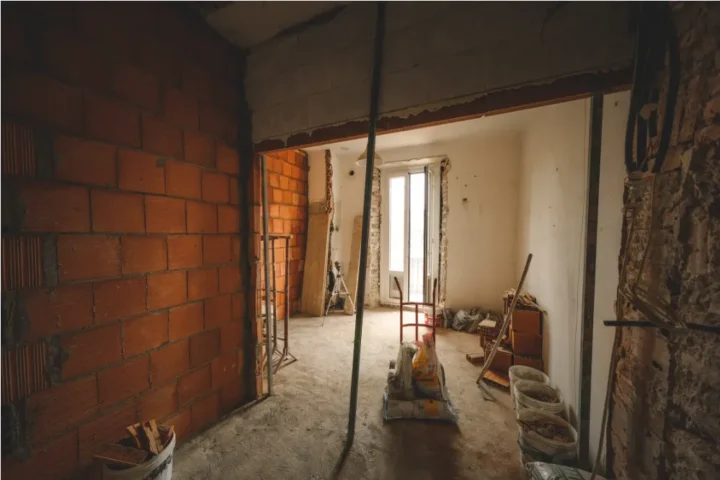
How Real Estate Disputes Are Resolved Legally: A Complete Guide
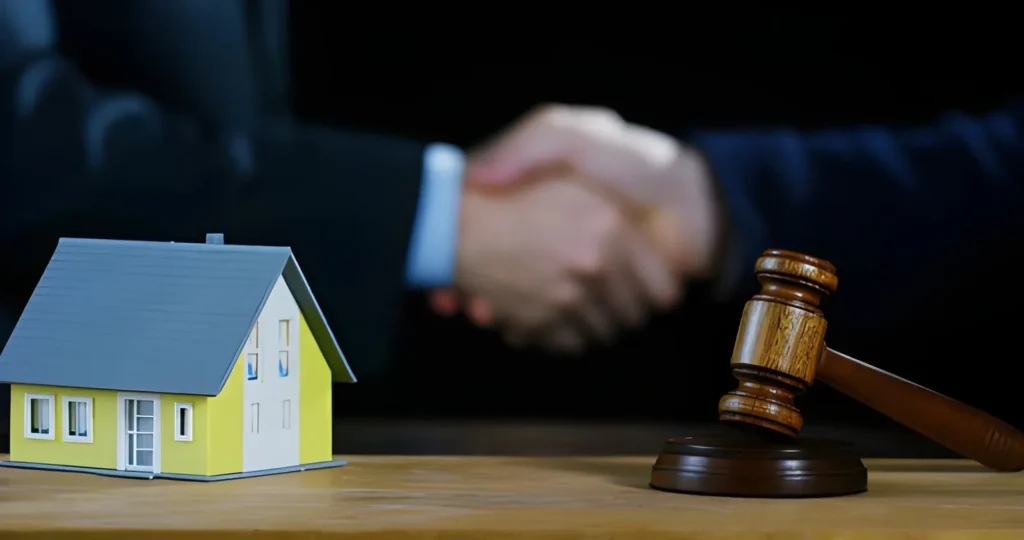
Real estate transactions involve significant financial investments, legal responsibilities, and contractual agreements. Whether buying a home, renting commercial property, or investing in land, disagreements can arise between property owners, buyers, sellers, tenants, and developers. Understanding how real estate disputes are resolved legally is essential for protecting property rights and avoiding unnecessary financial losses.
Real estate disputes can involve ownership disagreements, contract violations, boundary conflicts, rental issues, and property damage. Fortunately, the legal system provides several methods for resolving these problems, including negotiation, mediation, arbitration, and litigation.
This guide explains the most common types of real estate disputes, their legal solutions, and the steps individuals can take to protect their interests.
What Are Real Estate Disputes?
A real estate dispute is a legal disagreement involving property ownership, transactions, management, or use. These conflicts may occur between individuals, businesses, landlords, tenants, developers, or neighboring property owners.
Disputes often develop when one party believes another has violated a contract, interfered with property rights, or failed to fulfill legal obligations.
Some disagreements can be resolved through communication, while others require professional legal assistance. The appropriate solution depends on the nature of the conflict, applicable property laws, and available evidence.
Common Types of Real Estate Disputes
Understanding the different types of property disputes helps individuals identify potential problems and determine appropriate legal solutions.
1. Property Ownership Disputes
Ownership disputes arise when two or more parties claim legal rights to the same property. These disagreements may result from inheritance conflicts, unclear title documents, fraudulent transfers, or recording errors.
Resolving ownership disputes often requires examining property deeds, title records, inheritance documents, and other legal evidence.
2. Breach of Real Estate Contracts
A breach of contract occurs when one party fails to fulfill obligations established in a legally binding agreement.
For example, a seller may refuse to complete a property transaction, or a buyer may fail to make an agreed payment. Depending on the circumstances, legal remedies may include financial compensation, contract termination, or court-ordered performance.
3. Landlord and Tenant Disputes
Rental disagreements are among the most common real estate conflicts. They frequently involve unpaid rent, security deposits, maintenance responsibilities, lease violations, and eviction procedures.
Landlord-tenant laws vary by state and locality. Both parties must understand their legal rights before taking action.
4. Property Boundary Disputes
Boundary disputes occur when neighboring property owners disagree about land boundaries, fences, driveways, or structures extending onto another property.
Professional land surveys, recorded property descriptions, and historical ownership documents often help clarify boundaries.
5. Construction and Property Defect Disputes
Construction disputes may involve defective materials, incomplete projects, poor workmanship, or failure to meet contractual specifications.
Homeowners may pursue legal remedies against contractors, developers, or other responsible parties when supported by applicable law and evidence.
Legal Methods for Resolving Real Estate Disputes
Several legal approaches are available for resolving property disagreements. The best method depends on the complexity of the case, the parties’ willingness to cooperate, and the applicable legal requirements.
1. Negotiation Between Parties
Negotiation is often the simplest and most affordable method of resolving real estate disputes.
Both parties communicate directly or through their attorneys to reach a mutually acceptable agreement. Negotiation may involve adjusting payment terms, correcting property defects, or clarifying contractual responsibilities.
Successful negotiations can save time, reduce legal expenses, and preserve professional relationships. Any final settlement should be documented in writing.
2. Mediation for Property Disputes
Mediation involves a neutral third party who helps disputing individuals communicate and explore possible solutions.
Unlike a judge, a mediator generally does not impose a decision. Instead, the mediator encourages cooperation and assists the parties in developing an agreement.
Real estate mediation is particularly useful for landlord-tenant conflicts, neighborhood disagreements, and certain contractual disputes.
It is often less expensive and more flexible than traditional courtroom litigation.
3. Arbitration in Real Estate Disputes
Arbitration is a more formal dispute resolution process involving an independent arbitrator who reviews evidence and makes a decision.
Some real estate contracts require arbitration instead of court proceedings for specified disputes.
Depending on the agreement and applicable law, arbitration decisions may be legally binding and difficult to appeal.
Arbitration can provide a structured alternative to litigation, although costs and timelines vary.
4. Filing a Real Estate Lawsuit
When negotiation, mediation, or arbitration cannot resolve a disagreement, filing a lawsuit may become necessary.
Real estate litigation involves presenting evidence and legal arguments before a court.
The court may determine ownership rights, award damages, enforce contractual obligations, or issue other appropriate orders.
Litigation can be expensive and time-consuming, making professional legal guidance particularly important.
Steps Involved in Resolving Property Disputes Legally
Following a structured approach can improve the chances of reaching a successful resolution.
Step 1: Identify the Legal Problem
The first step is understanding the exact nature of the disagreement. Determine whether the issue involves ownership, contracts, boundaries, rental obligations, or property defects.
Clearly identifying the problem helps establish an appropriate legal strategy.
Step 2: Gather Supporting Evidence
Evidence plays a crucial role in property dispute resolution.
Important documents may include:
- Property deeds and title records
- Purchase agreements and lease contracts
- Payment receipts and financial records
- Land surveys and inspection reports
- Emails, letters, and written communications
Maintaining accurate records helps establish facts and supports legal claims.
Step 3: Consult a Real Estate Attorney
An experienced real estate attorney can evaluate the dispute, explain applicable laws, and recommend appropriate legal action.
Attorneys may also review contracts, communicate with opposing parties, negotiate settlements, and represent clients in court.
Seeking legal advice early can help prevent costly mistakes.
Step 4: Attempt an Amicable Settlement
Before initiating formal proceedings, parties should consider reasonable settlement opportunities.
Negotiation or mediation may resolve disagreements without lengthy legal proceedings.
However, individuals should avoid signing settlement agreements without understanding their legal consequences.
Step 5: Pursue Formal Legal Action
If informal efforts fail, arbitration or litigation may be necessary.
Legal proceedings generally involve filing claims, exchanging evidence, presenting arguments, and obtaining a decision.
Procedures vary according to jurisdiction and the type of dispute.
How Courts Handle Real Estate Disputes
Courts examine relevant laws, contractual agreements, property records, and supporting evidence before making decisions.
Depending on the circumstances, a court may order monetary damages, establish ownership rights, require contractual performance, or issue an injunction preventing certain activities.
For example, a court might resolve conflicting ownership claims through a quiet title action or determine whether a property transaction should be enforced.
Judicial outcomes depend on the specific facts and applicable legal standards.
How to Prevent Real Estate Disputes
Preventing property disputes is generally easier and less expensive than resolving them.
Buyers, sellers, landlords, and investors should carefully review legal documents before entering agreements.
Important preventive measures include verifying property ownership, obtaining professional inspections, reviewing boundary surveys, and ensuring contracts clearly define responsibilities.
Maintaining written communication and accurate financial records can also reduce misunderstandings.
Most importantly, consulting qualified professionals before major property transactions helps identify potential legal risks.
Why Legal Assistance Matters in Property Disputes
Real estate laws can be complicated, particularly when disputes involve multiple owners, significant financial investments, or conflicting contractual obligations.
A qualified attorney can help individuals understand their rights, evaluate evidence, meet legal deadlines, and select an appropriate resolution method.
Professional representation may also improve negotiations and reduce the risk of procedural errors.
Because property laws differ across jurisdictions, advice should reflect the location and circumstances of the dispute.
Conclusion
Understanding how real estate disputes are resolved legally helps property owners, buyers, sellers, landlords, and tenants protect their investments and legal rights.
Negotiation, mediation, arbitration, and litigation provide different approaches to resolving property conflicts. While some disagreements can be settled through communication, complicated cases may require formal legal proceedings.
By maintaining proper documentation, understanding contractual obligations, and seeking professional guidance when necessary, individuals can address real estate disputes more effectively and reduce future legal risks.
Also Read About: Understanding Personal Injury Claims and Compensation: A Complete Guide

Welcome to Prayersgalaxys ! I’m Abdul Mannan Haider. Christian Faith Writer | 10+ Years Bible Study Experience | Founder of (prayersgalaxys.com)
Sharing prayers, Daliy Bible Verses and biblical wisdom to strengthen your faith.
Abdul Mannan Haider
Welcome to Prayersgalaxys ! I'm Abdul Mannan Haider. Christian Faith Writer | 10+ Years Bible Study Experience | Founder of (prayersgalaxys.com)
Sharing prayers, Daliy Bible Verses and biblical wisdom to strengthen your faith.