The Importance of Soft Skills in Modern Education
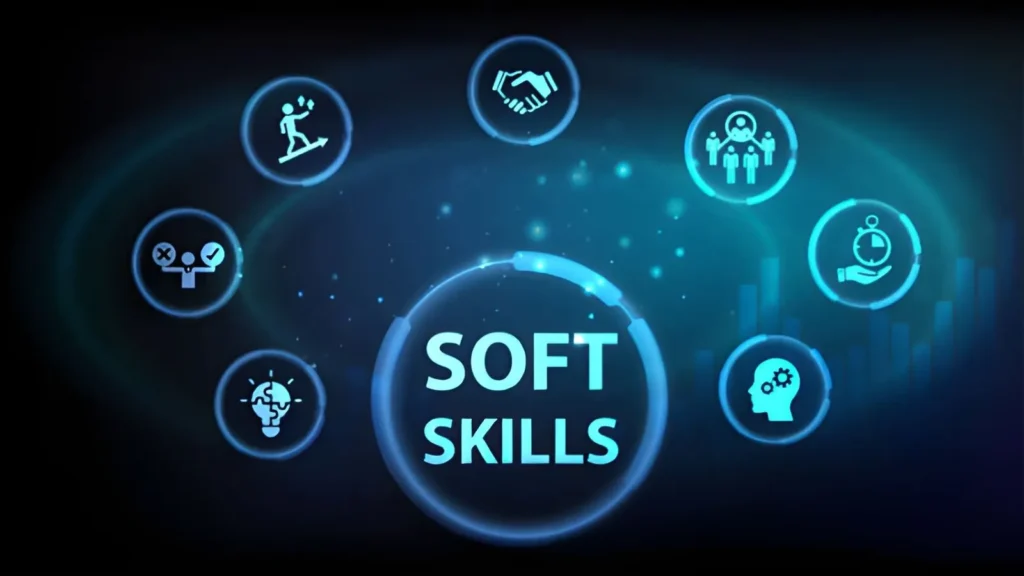
In today’s rapidly changing world, education is no longer limited to textbooks, examinations, and academic achievements. Students need more than technical knowledge to succeed in their personal and professional lives. This is where soft skills in modern education play an essential role. Skills such as communication, teamwork, problem-solving, adaptability, and emotional intelligence help students navigate real-world challenges with confidence.
Modern educational institutions increasingly recognize that academic excellence alone does not guarantee success. Employers value individuals who can collaborate effectively, communicate clearly, and demonstrate leadership qualities. Therefore, developing soft skills alongside traditional academic subjects has become an important part of preparing students for the future.
What Are Soft Skills in Education?
Soft skills are personal qualities, interpersonal abilities, and behavioral characteristics that influence how individuals communicate, interact, and work with others. Unlike hard skills, which involve specific technical knowledge, soft skills focus on human relationships, attitudes, and everyday decision-making.
Some essential soft skills for students include:
- Communication skills: Expressing ideas clearly and listening actively.
- Teamwork: Collaborating effectively with classmates and colleagues.
- Critical thinking: Analyzing information and making informed decisions.
- Problem-solving: Identifying challenges and developing practical solutions.
- Time management: Organizing tasks and meeting deadlines.
- Adaptability: Adjusting to changing situations and environments.
- Emotional intelligence: Understanding and managing emotions.
- Leadership: Motivating others and taking responsibility.
These abilities contribute to academic performance, personal development, and long-term career success.
Why Soft Skills Are Important in Modern Education
1. Improving Communication Skills
Effective communication is one of the most valuable abilities students can develop. It helps them express opinions, participate in discussions, and build meaningful relationships.
Students with strong communication skills can explain complex ideas, ask relevant questions, and understand different perspectives. These abilities are particularly useful during classroom presentations, group assignments, and academic debates.
Teachers can encourage communication development through public speaking activities, storytelling, interactive discussions, and collaborative learning exercises.
2. Encouraging Teamwork and Collaboration
Teamwork is essential in both educational and professional environments. Modern workplaces frequently require employees to collaborate with individuals from different backgrounds and areas of expertise.
By participating in group projects, students learn how to share responsibilities, respect different opinions, and achieve common goals.
Collaborative learning also encourages patience, cooperation, and mutual understanding. These experiences prepare students for future situations where working effectively with others is necessary.
3. Developing Critical Thinking and Problem-Solving
Students regularly encounter situations that require thoughtful decisions and creative solutions. Critical thinking enables them to evaluate information, recognize problems, and consider alternative approaches.
Instead of simply memorizing facts, students learn to question assumptions and apply knowledge to practical situations.
Educational institutions can strengthen these abilities through case studies, research assignments, classroom debates, and real-world problem-solving activities.
Developing these skills helps students become independent thinkers who can handle unfamiliar challenges.
The Role of Emotional Intelligence in Student Development
Emotional intelligence refers to the ability to recognize, understand, and manage emotions while responding appropriately to the feelings of others.
Students with strong emotional intelligence are often better equipped to manage stress, resolve disagreements, and maintain healthy relationships.
For example, understanding a classmate’s perspective during a disagreement can prevent unnecessary conflict and encourage cooperation.
Teachers can promote emotional intelligence through classroom discussions, reflective activities, peer support programs, and positive feedback.
Emotional intelligence in education contributes to a supportive learning environment where students feel respected and motivated.
How Soft Skills Prepare Students for Future Careers
The modern job market is continuously evolving because of technological advancements, globalization, and changing business requirements.
Although technical expertise remains important, employers also seek candidates who demonstrate professionalism, creativity, adaptability, and effective communication.
For example, a software developer may possess excellent programming knowledge but still need teamwork skills to collaborate with designers, managers, and clients.
Similarly, healthcare professionals require empathy and communication abilities to understand patients and provide appropriate support.
By integrating soft skills development into education, schools and universities can help students prepare for workplace expectations and career opportunities.
The Importance of Adaptability and Flexibility
Adaptability is particularly valuable in an era of rapid technological development. New technologies, learning methods, and professional responsibilities frequently require individuals to adjust their approaches.
Students who develop adaptability are more willing to explore unfamiliar subjects, accept constructive feedback, and learn from mistakes.
Flexible thinking also encourages resilience when students experience academic difficulties or unexpected changes.
Educational institutions can support adaptability by introducing diverse learning experiences, technology-based assignments, and activities that encourage independent decision-making.
How Teachers Can Develop Soft Skills in the Classroom
Teachers play a central role in helping students build essential interpersonal and personal development skills.
Traditional teaching methods can be combined with interactive learning strategies to create opportunities for practical skill development.
Effective approaches include:
- Group discussions: Encourage communication and respectful listening.
- Project-based learning: Develop teamwork, creativity, and responsibility.
- Role-playing activities: Improve empathy and conflict resolution.
- Classroom presentations: Strengthen confidence and public speaking.
- Peer feedback: Teach constructive criticism and self-improvement.
- Leadership opportunities: Encourage decision-making and accountability.
These activities help students practice soft skills naturally while developing academic knowledge.
The Role of Technology in Soft Skills Development
Technology has transformed modern education by creating opportunities for online collaboration, virtual communication, and interactive learning.
Digital classrooms, educational platforms, and collaborative applications allow students to work together regardless of physical location.
Online group projects can strengthen digital communication, teamwork, and organizational abilities.
However, technology should complement rather than replace meaningful human interaction. Face-to-face discussions, classroom teamwork, and personal communication remain important for developing interpersonal confidence.
A balanced educational approach combines digital literacy with essential human-centered skills.
Challenges in Teaching Soft Skills
Despite their importance, integrating soft skills into educational systems can present several challenges.
Many schools prioritize examination results and academic performance, leaving limited time for interpersonal development.
Additionally, soft skills can be difficult to measure using traditional written examinations.
Teachers may also require professional training to incorporate communication, leadership, and emotional intelligence activities into everyday lessons.
Addressing these challenges requires curriculum improvements, teacher development programs, and assessment methods that recognize practical abilities alongside academic achievements.
The Future of Soft Skills in Education
As artificial intelligence and automation continue transforming industries, human-centered abilities are likely to remain valuable.
Creativity, empathy, ethical judgment, collaboration, and critical thinking help individuals contribute in ways that extend beyond routine technical tasks.
Future educational systems can place greater emphasis on experiential learning, interdisciplinary projects, and practical skill development.
Schools that combine academic knowledge with 21st-century soft skills can better prepare students for changing professional environments and lifelong learning.
Conclusion
The importance of soft skills in modern education cannot be overlooked. Communication, teamwork, adaptability, emotional intelligence, and critical thinking help students succeed beyond traditional classroom examinations.
By incorporating these abilities into everyday teaching practices, educational institutions can support well-rounded student development and improve career readiness.
Ultimately, soft skills are essential for academic success, professional growth, and personal development. An educational system that values both technical knowledge and interpersonal abilities can prepare students to become confident, responsible, and capable individuals.
Also Read About: How to Manage College Expenses and Save Money: Smart Budgeting Tips for Students

Welcome to Prayersgalaxys ! I’m Abdul Mannan Haider. Christian Faith Writer | 10+ Years Bible Study Experience | Founder of (prayersgalaxys.com)
Sharing prayers, Daliy Bible Verses and biblical wisdom to strengthen your faith.
Abdul Mannan Haider
Welcome to Prayersgalaxys ! I'm Abdul Mannan Haider. Christian Faith Writer | 10+ Years Bible Study Experience | Founder of (prayersgalaxys.com)
Sharing prayers, Daliy Bible Verses and biblical wisdom to strengthen your faith.