Many believers today search for the truth about the biblically accurate God, hoping to understand His true nature of God beyond cultural myths and human imagination. The Bible reveals God’s character through divine attributes like holiness, love, justice, mercy, and sovereignty, showing who God truly is according to Scripture.
This article explores the biblical view of God, His self-revelation through Jesus Christ, the Trinity, and how knowing God through Scripture transforms everyday faith. By examining God’s attributes in the Bible, we gain a clear, accurate, and life-changing understanding of His glory and character.
The Concept of a Biblically Accurate God
The phrase “biblically accurate God” refers to understanding God exactly as Scripture describes Him, not as popular culture or art portrays Him. The Bible presents God as spirit, infinite, eternal, and unbound by physical form, yet personally involved with humanity.
This concept challenges distorted images and calls believers back to Scripture as the foundation for biblical theology of God.
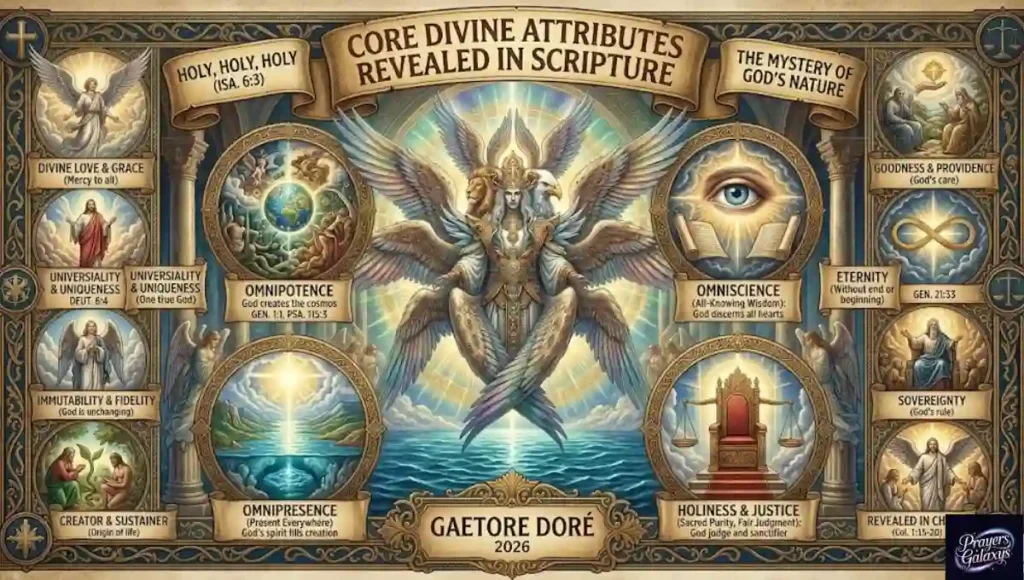
Core Divine Attributes Revealed in Scripture
Essential Divine Attributes
| Attribute | Meaning |
| Omnipotence | All-powerful |
| Omniscience | All-knowing |
| Omnipresence | Present everywhere |
| Holiness | Set apart, morally perfect |
| Immutability | Unchanging nature |
God’s Various Forms and Manifestations
- Burning bush (Exodus)
- Pillar of fire and cloud
- Voice from heaven
- Visions given to prophets
Key Distinctions in Divine Manifestation
God’s essence remains spirit, but He manifests Himself through symbols, visions, and ultimately through Jesus Christ.
Biblical Descriptions of God’s Appearance
Prophetic Visions of Divine Glory
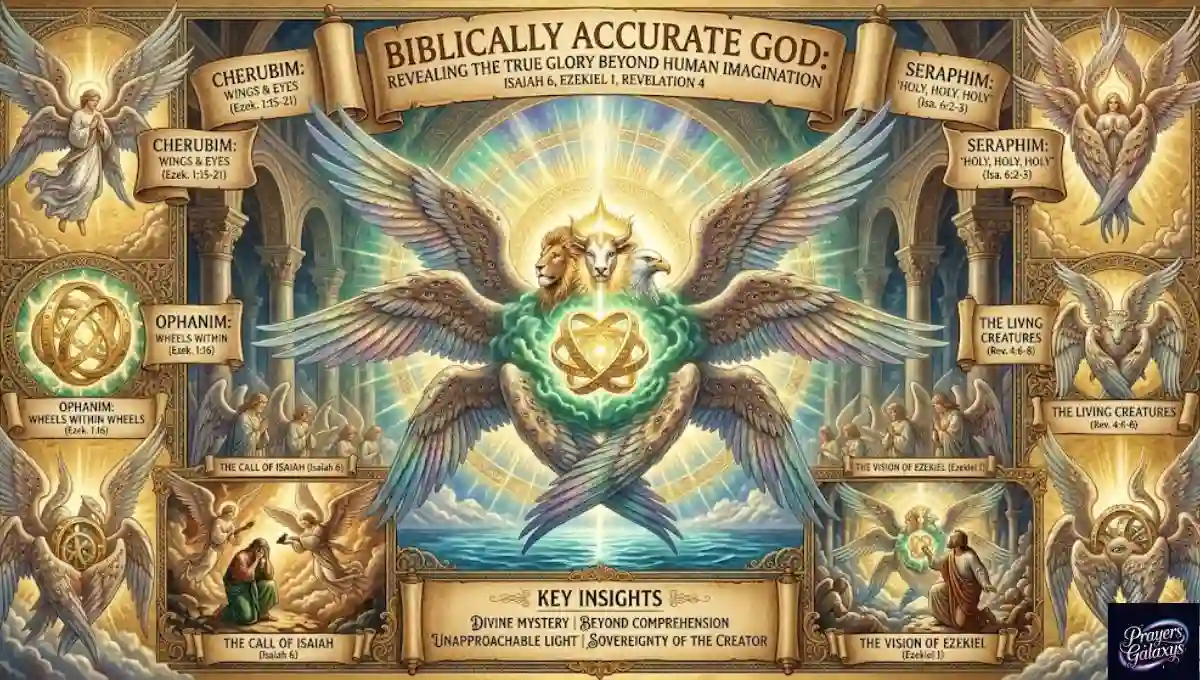
Isaiah, Ezekiel, and Daniel each received visions of God’s glory, describing overwhelming light, fire, and majestic thrones surrounded by heavenly beings.
Progressive Revelation of God’s Character
Stages of Divine Self-Disclosure
- Creation reveals God’s power
- Patriarchs reveal His covenant faithfulness
- Prophets reveal His holiness and justice
- Jesus Christ reveals His complete nature
Read More : Biblically Accurate Lucifer: Unveiling the Truth Behind His Story and Misconceptions
God’s Glory and Holiness in Heavenly Visions
Revelation and Isaiah depict God’s glory as blinding light, surrounded by worship, emphasizing divine holiness and majesty beyond human comprehension.
Experiencing the Presence of God in Everyday Life
- Through prayer and worship
- Through the Holy Spirit’s guidance
- Through Scripture reading
- Through answered prayer and peace
Jesus Christ: The Complete Revelation of God
Christ as the Perfect Image of God
Colossians describe Jesus as the image of the invisible God, showing humanity exactly who God is.
Jesus as God’s Exact Representation
Hebrews affirms Jesus is the exact representation of God’s nature and glory.
Divine Attributes Displayed Through Jesus
Christ’s Demonstration of Divine Attributes
- Power through miracles
- Love through sacrifice
- Justice through teaching
- Mercy through forgiveness
Jesus as the Key to Understanding Scripture
Christ as the Interpretive Lens
Jesus interprets the Old Testament, showing continuity in God’s redemptive plan.
God’s Redemptive Work Through Christ
Christ’s Redemptive Accomplishments
- Atonement for sin
- Reconciliation with God
- Victory over death
- Eternal life offered to believers
Essential Characteristics of the Biblically Accurate God
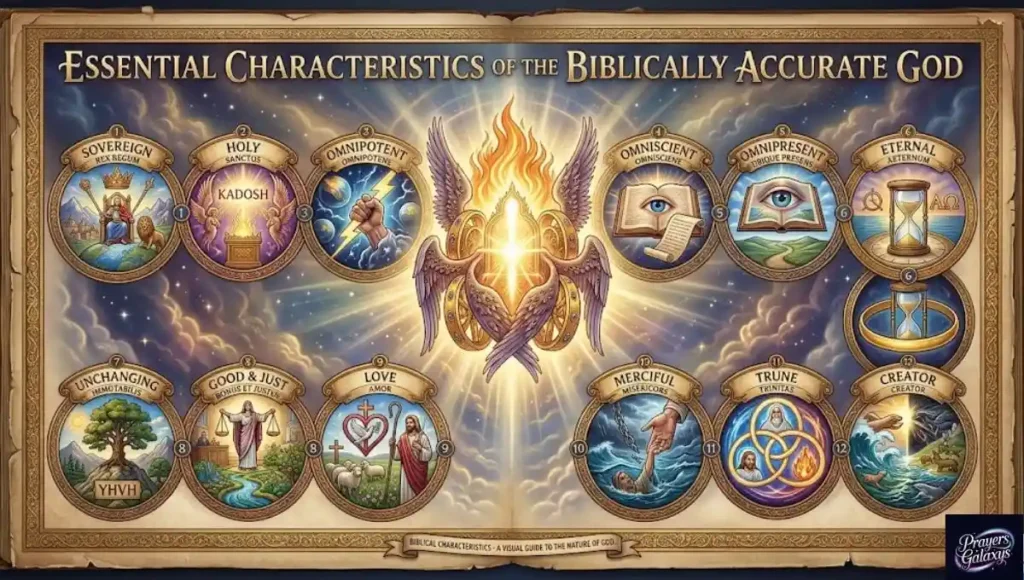
Divine Omnipotence and Omniscience
How God’s Power and Knowledge Work Together
God’s power and knowledge work together to guide history and fulfill His will perfectly.
Perfect Holiness and Righteous Justice
The Relationship Between Holiness and Justice
God’s holiness demands justice, while His justice reflects His holy character.
Boundless Love and Abundant Mercy
Divine Love and Mercy in Action
- Forgiveness of sinners
- Patience with humanity
- Grace through salvation
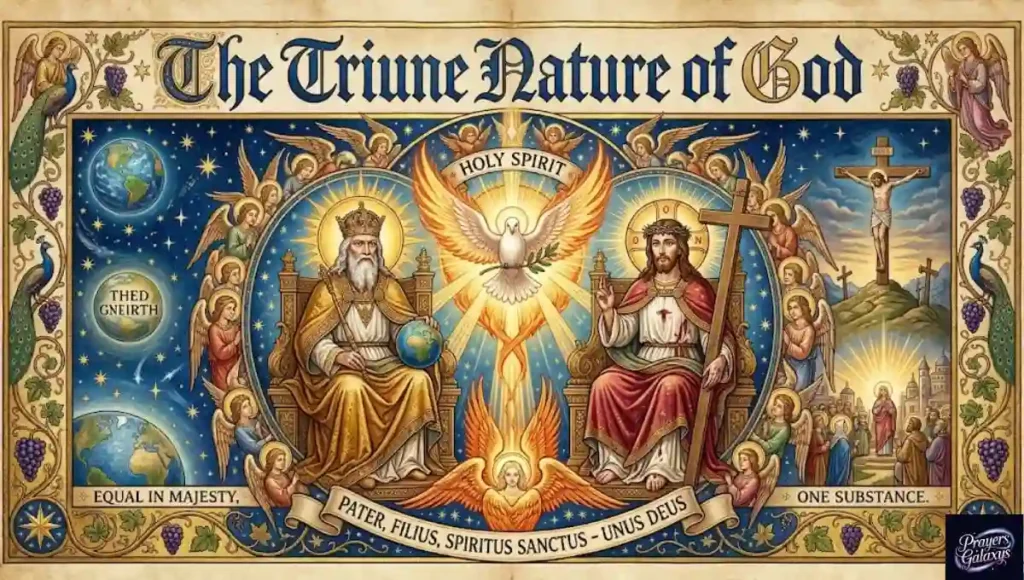
The Triune Nature of God: Father, Son, and Spirit
Biblical Foundation for the Trinity
Scriptural Evidence for Trinitarian Doctrine
Passages referencing Father, Son, and Holy Spirit together affirm the Trinity in the Bible.
God the Father’s Role
The Father’s Work in Redemption
The Father initiates salvation and sends the Son.
God the Son’s Work
Christ’s Divine and Mediatorial Functions
Jesus mediates between God and humanity through His sacrifice.
God the Holy Spirit’s Ministry
The Spirit’s Multifaceted Work
- Convicts of sin
- Comforts believers
- Empowers for ministry
The Relational Character of God
Implications of God’s Triune Nature
The Trinity shows God as relational, loving, and unified in purpose.
Correcting Common Misconceptions About God
Why Distorted Views of God Develop
Sources of Theological Distortion
- Cultural influence
- Misinterpretation of Scripture
- Emotional experiences
False Images That Misrepresent God
Common Distortions of God’s Character
- God as only judgmental
- God as distant or uninvolved
- God as purely permissive
How Scripture Corrects Our Understanding
Process for Correcting Misconceptions
Returning to Scripture realigns our view with the true nature of God.
Reconciling Old and New Testament Portraits of God
Progressive Revelation Explained
Understanding Development in Divine Disclosure
God’s revelation unfolds gradually but consistently across Scripture.
God’s Consistent Character Throughout Scripture
Divine Attributes Across Both Testaments
God’s love, justice, and holiness appear in both Testaments.
Divine Judgment Across Both Testaments
Continuity of Divine Justice
Judgment and mercy coexist throughout biblical history.
Christ’s Interpretation of Difficult Passages
Jesus’ Hermeneutical Approach
Jesus clarifies difficult passages through love and fulfillment of the law.
Unity of God’s Redemptive Plan
Consistent Redemptive Thread
From Genesis to Revelation, God’s plan of salvation remains unified.
Common Misinterpretations Regarding God’s Nature
Balancing Divine Love and Justice
How Love and Justice Coexist
God’s love and justice work together, not against each other.
Understanding Sovereignty and Human Responsibility
The Paradox of Divine Control and Human Choice
Scripture affirms both God’s sovereignty and human responsibility.
Why Biblical Accuracy Matters in Understanding God
Knowing God as He Truly Is
Scripture as the Sole Reliable Source
The Bible remains the only reliable source for understanding God’s character.
Guiding Faith and Daily Decisions
Practical Impact of Accurate Theology
Accurate theology shapes decisions, worship, and relationships.
Building Authentic Personal Relationship
Intimacy Grounded in Truth
True intimacy with God requires truth, not assumptions.
Countering False Representations
Correcting Theological Distortions
Knowing Scripture protects believers from false teaching.
Life Transformation Through Knowing God’s True Nature
From Fear to Confident Assurance
Replacing Dread with Bold Access
Understanding grace replaces fear with confidence in prayer.
From Religious Performance to Grace-Based Rest
Shifting from Striving to Receiving
Faith shifts from performance to receiving grace.
Worship Marked by Reverence and Intimacy
Balanced Worship Characteristics
Worship combines awe and closeness with God.
Prayer Grounded in Trust
Confidence in God’s Character
Knowing God’s faithfulness builds confident prayer.
Living with Divine Purpose and Hope
Transformational Outcomes
- Renewed purpose
- Lasting hope
- Spiritual growth
Practical Steps to Learn About the Biblically Accurate God
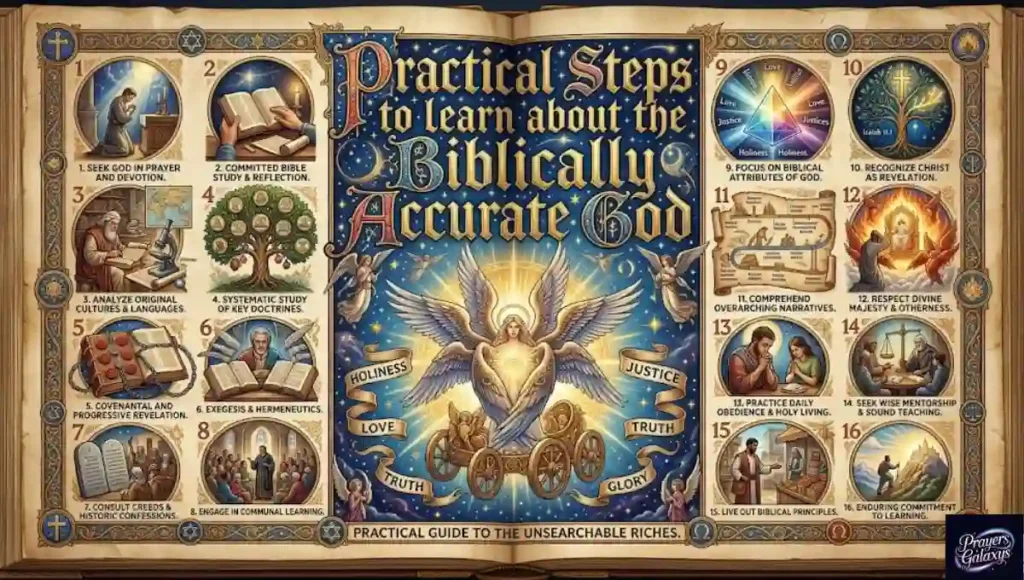
Systematic Study of Biblical Texts
Organized Approach to Studying God’s Attributes
- Study by topic
- Use cross-references
- Read commentaries
Seeking Divine Guidance Through Prayer
Prayer Practices for Deeper Understanding
- Daily prayer
- Journaling insights
- Meditation on Scripture
Community and Fellowship’s Vital Role
Maximizing Communal Learning
- Bible study groups
- Church teaching
- Discussion with mentors
Frequently Asked Questions
1. What is God really like according to the Bible?
God is holy, loving, just, sovereign, and eternally unchanging.
2. Is the God of the Old Testament the same as the New Testament?
Yes, God’s character remains consistent across both Testaments.
3. How does Jesus reveal the nature of God?
Jesus is the exact image and representation of God’s character.
4. Is the Trinity biblical?
Yes, Scripture reveals God as Father, Son, and Holy Spirit.
5. Does God’s love conflict with His justice?
No, God’s love and justice work together perfectly.
6. How can I know God personally?
Through Scripture, prayer, and the Holy Spirit’s guidance.
7. Why does biblical accuracy about God matter?
It shapes true faith, worship, and a healthy relationship with God.
Conclusion
The biblically accurate God is far greater than human imagination, revealing holiness, love, justice, and mercy through Scripture. Understanding God’s character transforms how believers worship, pray, and live daily life.
Through Jesus Christ, the Trinity, and progressive revelation, Scripture offers a complete picture of God’s true nature. Embracing the biblically accurate God leads to deeper faith, lasting hope, and a transformed relationship with the Creator.

Welcome to Prayersgalaxys ! I’m Abdul Mannan Haider. Christian Faith Writer | 10+ Years Bible Study Experience | Founder of (prayersgalaxys.com)
Sharing prayers, Daliy Bible Verses and biblical wisdom to strengthen your faith.